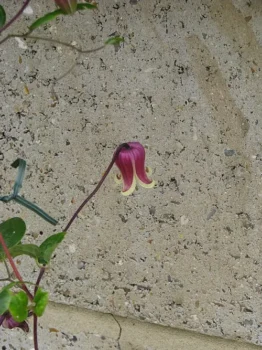
Vasevine: A Hidden Gem for Native Gardens
If you’re looking to add vertical interest to your native garden with a truly unique flowering vine, let me introduce you to vasevine (Clematis viorna). This lesser-known native clematis might just become your new favorite climbing companion, offering distinctive urn-shaped blooms and easy-going nature that makes it perfect for gardeners seeking something a little different from the usual suspects.
What Makes Vasevine Special?
Vasevine stands out from other clematis species with its unusual reddish-purple, leather-textured flowers that really do look like tiny decorative urns or vases – hence the charming common name. These distinctive blooms appear from late spring through summer, followed by equally attractive silvery, feathery seed heads that provide late-season interest and look gorgeous catching the light in autumn gardens.
As a perennial climbing vine, vasevine is a twining plant that can gracefully scramble up trellises, fences, or through supportive shrubs, adding that coveted vertical dimension to your landscape without being overly aggressive.
Where Vasevine Calls Home
This native beauty naturally occurs throughout much of the eastern and southeastern United States, including Alabama, Arkansas, Delaware, District of Columbia, Georgia, Illinois, Indiana, Kentucky, Maryland, Mississippi, Missouri, North Carolina, Ohio, Pennsylvania, South Carolina, Tennessee, Virginia, and West Virginia. It’s also found in Ontario, Canada, where it’s considered non-native but naturalized.
- Species observed
- No observations
Why Plant Vasevine in Your Garden?
There are several compelling reasons to consider adding vasevine to your landscape:
- Native plant benefits: Supporting local ecosystems and wildlife
- Unique aesthetic: Those distinctive urn-shaped flowers are real conversation starters
- Pollinator friendly: Attracts bees, butterflies, and other beneficial insects
- Low maintenance: Once established, it’s quite self-sufficient
- Extended interest: Beautiful flowers followed by ornamental seed heads
- Versatile: Works well in naturalistic gardens, woodland settings, and native plant landscapes
Growing Conditions and Care
Vasevine is refreshingly easy to please, making it perfect for both novice and experienced gardeners. Here’s what it needs to thrive:
Light: Partial shade to full sun, though it appreciates some afternoon shade in hotter climates
Soil: Well-draining soil is essential – vasevine doesn’t like wet feet
Hardiness: Hardy in USDA zones 4-8, making it suitable for most temperate regions
Support: Provide a trellis, fence, or allow it to climb through sturdy shrubs
Planting and Care Tips
Getting your vasevine off to a great start is straightforward:
- Timing: Plant in spring after the last frost date
- Planting: Dig a hole twice as wide as the root ball and plant at the same depth
- Mulching: Keep roots cool and moist with a 2-3 inch layer of organic mulch
- Support: Install climbing support at planting time to avoid root disturbance later
- Watering: Water regularly the first year, then it becomes quite drought tolerant
- Pruning: Light pruning in late winter if needed, but vasevine doesn’t require heavy pruning
Perfect Garden Companions
Vasevine plays well with others and fits beautifully into native plant communities. Consider pairing it with native shrubs like spicebush or elderberry that can provide natural climbing support, or let it scramble up a fence backdrop to native perennials like wild bergamot, purple coneflower, or wild ginger.
A Note on Conservation
Vasevine has a somewhat unclear conservation status, which makes responsible sourcing important. Always purchase from reputable native plant nurseries that propagate their own stock rather than wild-collecting. This ensures you’re supporting conservation efforts while adding this lovely native to your garden.
The Bottom Line
Vasevine offers native plant gardeners something truly special – a climbing vine with distinctive flowers, easy care requirements, and genuine ecological benefits. While it may not be as flashy as some of its exotic cousins, its subtle charm and native credentials make it a wonderful addition to naturalistic gardens and native plant landscapes. If you’re ready to try something a little different that supports local wildlife while adding unique vertical interest to your garden, vasevine just might be your perfect match.