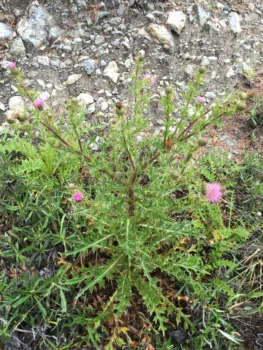
Vasey’s Thistle: A Rare California Native Worth Knowing About
Meet Vasey’s thistle (Cirsium hydrophilum var. vaseyi), a fascinating and rare native plant that calls California home. While you might not find this particular thistle at your local nursery, it’s worth understanding what makes this spiky beauty special – and why its conservation matters to native plant enthusiasts.
What Makes Vasey’s Thistle Special?
Don’t let the word thistle scare you away! Vasey’s thistle is a native forb – essentially a soft-stemmed plant without woody growth – that can live as either a biennial or perennial. Unlike its weedy cousins that everyone loves to hate, this thistle is a legitimate California native that has been quietly doing its thing in the Golden State’s landscapes for centuries.
You might also see this plant referenced under several scientific aliases, including Cirsium montigenum, Cirsium vaseyi, or Cnicus breweri var. vaseyi. Botanists love their name changes, don’t they?
Where Does Vasey’s Thistle Call Home?
This thistle is exclusively Californian, making it a true Golden State endemic. It’s found in specific habitats throughout the state, though its exact range is somewhat limited – which brings us to an important point about its conservation status.
- Species observed
- No observations
A Word About Rarity
Here’s where things get serious for a moment. Vasey’s thistle carries a Global Conservation Status of S2T2, indicating it’s considered rare and potentially at risk. This means if you’re lucky enough to encounter this plant in the wild, it deserves your respect and protection.
For gardeners interested in growing native thistles, this rarity status means you should only consider planting Vasey’s thistle if you can source it responsibly from reputable native plant nurseries that propagate from ethically collected seeds – never from wild-harvested plants.
Garden Value and Landscape Role
If you’re creating a specialized native California garden or participating in habitat restoration, Vasey’s thistle could play an important ecological role. Like other native thistles, it likely provides valuable nectar for native butterflies, bees, and other pollinators. The seeds probably feed native birds, and the plant structure may offer nesting sites for beneficial insects.
This isn’t your typical backyard flower, though. Vasey’s thistle is best suited for:
- Specialized native plant gardens
- Restoration projects in appropriate California habitats
- Educational gardens focused on rare native species
- Conservation-minded landscapes
Growing Conditions and Care
Since detailed cultivation information for this specific variety is limited due to its rarity, growing Vasey’s thistle successfully would likely require mimicking its natural habitat conditions. Based on its native range and related species, it probably appreciates well-drained soils and California’s Mediterranean climate patterns.
If you’re serious about growing this rare native, your best bet is connecting with native plant societies, botanical gardens, or conservation organizations that might have experience with this species.
The Bottom Line
While Vasey’s thistle might not be the showstopper annual you’re looking for to fill your flower beds, it represents something valuable: California’s unique botanical heritage. Supporting the conservation of rare natives like this one – whether through habitat protection, responsible gardening choices, or simply spreading awareness – helps preserve the state’s natural diversity for future generations.
If you’re drawn to native thistles but want something more readily available, consider exploring other California native Cirsium species that might be less rare and more suitable for home cultivation. Your local native plant society can point you toward alternatives that offer similar ecological benefits without the conservation concerns.