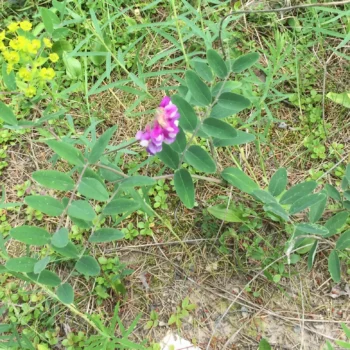
Veiny Pea: A Native Climbing Wildflower for Your Garden
Looking for a native plant that’s both beautiful and beneficial to wildlife? Meet the veiny pea (Lathyrus venosus), a charming perennial wildflower that’s been quietly beautifying North American landscapes for centuries. This delightful member of the pea family offers gardeners a unique combination of attractive flowers, interesting foliage, and ecological value.
What Makes Veiny Pea Special?
Veiny pea is a native forb herb that brings a touch of wild elegance to any garden setting. True to its common name, this plant produces lovely purple-pink pea-shaped flowers that bloom in attractive clusters. The compound leaves are adorned with curling tendrils that help the plant climb and scramble through other vegetation, creating a naturalistic look that’s perfect for wildlife gardens and prairie restorations.
As a perennial, veiny pea returns year after year, slowly establishing itself and potentially self-seeding in favorable conditions. Unlike woody plants, it lacks significant woody tissue and maintains its herbaceous nature throughout its life.
Where Does Veiny Pea Grow Naturally?
This adaptable native has an impressively wide distribution across North America. Lathyrus venosus is native to Alaska, Canada, and the lower 48 states, making it one of our continent’s more widespread wildflowers. You can find it growing naturally in states from Alabama to Alaska, and from New Mexico to New Jersey, including Alberta, Manitoba, Ontario, Quebec, Saskatchewan, and many U.S. states in between.
- Species observed
- No observations
Important Rarity Considerations
Before you plant: While veiny pea has a wide overall range, it’s considered rare in some locations. In Alabama, it has an S1 rarity status, and in New Jersey, it’s listed as Highlands Listed with an SX status. If you’re gardening in areas where this plant is rare, please only use responsibly sourced material from reputable native plant nurseries rather than collecting from wild populations.
Growing Conditions and Care
One of veiny pea’s greatest strengths is its adaptability to different moisture conditions. The wetland status varies by region, but generally, this plant can thrive in both wetland and upland conditions. This flexibility makes it suitable for USDA hardiness zones 2-8, covering most of temperate North America.
Ideal growing conditions include:
- Full sun to partial shade
- Adaptable to various soil types
- Moderate to variable moisture levels
- Space to climb or trail (provide support structures if desired)
Garden Design and Landscaping Uses
Veiny pea shines in several garden settings:
- Native plant gardens: Perfect for creating authentic regional plant communities
- Prairie restorations: Adds vertical interest and floral diversity
- Naturalized areas: Excellent for low-maintenance wildflower meadows
- Wildlife gardens: Provides both nectar and habitat value
- Woodland edges: Thrives in the transition zones between forest and field
Benefits for Pollinators and Wildlife
Like most members of the pea family, veiny pea produces flowers that are particularly attractive to bees and butterflies. The purple-pink blooms provide nectar for pollinators throughout the growing season, while the plant’s climbing habit creates additional habitat structure for small wildlife.
The seeds may also provide food for birds and small mammals, contributing to the overall ecological value of your garden ecosystem.
Planting and Care Tips
Veiny pea is refreshingly low-maintenance once established. Here are some tips for success:
- Start with plants or seeds from reputable native plant sources
- Plant in spring after the last frost
- Water regularly during the first growing season to help establishment
- Provide nearby plants or structures for climbing support
- Allow some areas to go to seed if you want natural spreading
- Minimal fertilization needed – native plants prefer lean soils
Is Veiny Pea Right for Your Garden?
Consider adding veiny pea to your landscape if you:
- Want to support native pollinators and wildlife
- Enjoy low-maintenance perennial flowers
- Are creating prairie or meadow-style plantings
- Have areas that need naturalistic ground cover
- Live within its native range and want authentic regional plants
With its combination of attractive flowers, adaptable nature, and ecological benefits, veiny pea deserves consideration for any native plant enthusiast’s garden. Just remember to source your plants responsibly, especially in areas where this lovely wildflower is becoming rare.