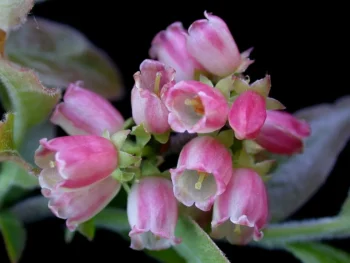
Velvetleaf Huckleberry: A Sweet Native Treasure for Your Garden
If you’re looking for a native plant that delivers both beauty and function, let me introduce you to the velvetleaf huckleberry (Vaccinium myrtilloides). This charming little shrub might just become your new favorite addition to the garden – especially if you love the idea of homegrown berries and happy pollinators!
What Exactly Is Velvetleaf Huckleberry?
Velvetleaf huckleberry is a delightful perennial shrub that typically stays nice and manageable at under 13-16 feet tall, though most specimens remain much smaller. As a true native North American plant, it naturally occurs across a impressive range that includes much of Canada and extends down through many northern U.S. states.
This hardy little shrub calls home to places from Alberta and British Columbia all the way east to the Maritime provinces, and south through states like Minnesota, Wisconsin, Michigan, and even down into parts of North Carolina and Virginia. It’s quite the traveler!
- Species observed
- No observations
You might also see this plant listed under several other scientific names in older references, including Vaccinium canadense or Cyanococcus canadensis, but they’re all referring to our same beloved velvetleaf huckleberry.
Why Your Garden (and Local Wildlife) Will Love It
Here’s where velvetleaf huckleberry really shines – it’s like getting multiple plants in one! In late spring, you’ll be treated to clusters of small, bell-shaped flowers that range from white to soft pink. These blooms are absolute magnets for native bees, butterflies, and other pollinators who desperately need the nectar.
But the real treat comes in summer when those flowers transform into small, dark blue-black berries that are not only edible for humans (think blueberry’s wild cousin) but also provide crucial food for birds and small mammals. And just when you think the show is over, fall arrives with a spectacular display of red and orange foliage.
The velvetleaf part of its name comes from the distinctive soft, fuzzy underside of the leaves – a tactile feature that makes this plant easy to identify and adds another layer of interest.
Where Does Velvetleaf Huckleberry Fit in Your Landscape?
This versatile native works beautifully in several garden styles:
- Woodland and shade gardens where it can naturalize
- Native plant gardens as an authentic local species
- Edible landscapes for berry production
- Rain gardens and areas with variable moisture
- Wildlife habitat gardens
- Naturalized areas where you want low-maintenance groundcover
Growing Conditions: What Makes This Plant Happy
One of the best things about velvetleaf huckleberry is its adaptability. This tough little shrub can handle USDA hardiness zones 2 through 7, making it suitable for most northern gardens and many areas with harsh winters.
When it comes to moisture, this plant is pretty flexible too. Depending on your region, it might prefer wetland conditions or be perfectly happy in drier upland areas. In general, it appreciates:
- Acidic soil (like most members of the blueberry family)
- Moist but well-draining conditions
- Partial shade to full sun (though some afternoon shade is appreciated in hotter climates)
- Organic-rich soil, though it can tolerate poor soils once established
Planting and Care Tips
Getting velvetleaf huckleberry established in your garden is refreshingly straightforward:
Planting: Spring and fall are your best bets for planting. Choose a spot with morning sun and afternoon shade if possible, especially in warmer zones.
Soil prep: If your soil isn’t naturally acidic, consider amending with compost, peat moss, or other organic matter. A soil pH between 4.5 and 6.0 is ideal.
Watering: Keep newly planted shrubs consistently moist (but not waterlogged) for their first year. Once established, they’re quite drought-tolerant, though consistent moisture will give you better berry production.
Mulching: A layer of organic mulch around the base helps retain moisture and suppress weeds – just keep it a few inches away from the stem.
Fertilizing: These natives rarely need supplemental fertilizer. In fact, too much nitrogen can reduce flowering and fruiting.
Is Velvetleaf Huckleberry Right for Your Garden?
If you’re drawn to native plants that support local ecosystems while providing beauty and function, velvetleaf huckleberry is definitely worth considering. It’s particularly perfect for gardeners who:
- Want to support native pollinators and wildlife
- Enjoy growing their own edible berries
- Prefer low-maintenance plants once established
- Have challenging spots with variable moisture or partial shade
- Love plants with multi-season interest
The main thing to consider is space and your long-term garden vision, since this is a shrub that will establish and spread naturally over time. But for most gardeners, that’s actually a feature, not a bug – especially when you’re rewarded with berries, beautiful fall color, and the satisfaction of knowing you’re growing a plant that truly belongs in your local landscape.