Vine Hill Manzanita: A Rare California Treasure Worth Protecting
Meet the Vine Hill manzanita (Arctostaphylos densiflora), a botanical gem that’s as rare as it is beautiful. This petite evergreen shrub might just be one of California’s most endangered native plants, making it both a conservation priority and a challenging addition to the home garden.
What Makes Vine Hill Manzanita Special?
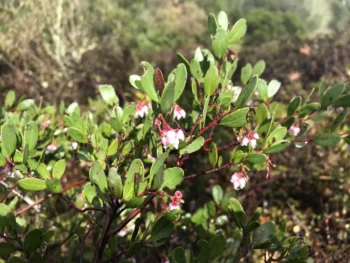
This perennial shrub typically grows as a low, spreading plant that rarely exceeds 4-5 feet in height. What it lacks in stature, it makes up for in character. The Vine Hill manzanita showcases the classic manzanita charm: smooth, reddish-brown bark that peels in attractive sheets, small leathery evergreen leaves, and delicate urn-shaped flowers that bloom in white to soft pink clusters during late winter and early spring.
Following the flowers come small, berry-like fruits that start green and ripen to a deep red, providing both visual interest and food for local wildlife.
A California Native with a Tiny Footprint
Arctostaphylos densiflora is native to the United States, specifically endemic to a very small area in Sonoma County, California. This incredibly limited geographic distribution is part of what makes this species so special—and so vulnerable.
- Species observed
- No observations
Critical Conservation Status: Handle with Care
Important Conservation Note: Vine Hill manzanita has a Global Conservation Status of S1, meaning it’s critically imperiled. With typically 5 or fewer occurrences and very few remaining individuals (fewer than 1,000), this plant is teetering on the edge of extinction.
If you’re considering adding this species to your garden, please ensure you source it only from reputable native plant nurseries that use responsibly collected seeds or ethically propagated material. Never collect from wild populations.
Garden Role and Landscape Appeal
Despite its rarity, Vine Hill manzanita can play several valuable roles in the right garden setting:
- Ground cover: Its low, spreading habit makes it excellent for covering slopes or filling in difficult areas
- Erosion control: The root system helps stabilize soil on hillsides
- Drought-tolerant landscaping: Perfect for water-wise Mediterranean-style gardens
- Native plant gardens: A centerpiece for California native plant enthusiasts
- Wildlife habitat: Provides food and shelter for native creatures
Growing Conditions and Care
Here’s where things get challenging. Vine Hill manzanita is notoriously difficult to cultivate and has very specific requirements:
USDA Hardiness Zones: 8-10
Light Requirements: Full sun to partial shade
Soil Needs: Excellent drainage is absolutely critical. This plant cannot tolerate standing water or heavy clay soils. Sandy or rocky soils work best.
Water Requirements: Drought-tolerant once established, but here’s the tricky part—it’s sensitive to summer watering. Too much water during the dry season can quickly kill the plant.
Planting and Care Tips
- Choose your spot carefully: Select a well-draining location with good air circulation
- Improve drainage: Amend heavy soils with coarse sand or plant on a slope
- Plant in fall: This gives the plant time to establish before the dry season
- Water sparingly: Deep, infrequent watering during the first year, then very little supplemental water
- Avoid fertilizers: Native plants typically don’t need additional nutrients
- Mulch lightly: A thin layer of gravel or decomposed granite works better than organic mulch
Benefits for Pollinators and Wildlife
The flowers of Vine Hill manzanita attract native bees, butterflies, and other pollinators during its blooming period. The berries provide food for birds and small mammals, while the dense growth habit offers shelter and nesting sites for various creatures.
Should You Plant Vine Hill Manzanita?
This is a plant for the dedicated native gardener who understands both the conservation significance and the growing challenges. If you have the right conditions—excellent drainage, a Mediterranean climate, and the patience to work with a finicky plant—growing Vine Hill manzanita can be a rewarding way to support conservation efforts.
However, if you’re new to native gardening or don’t have ideal conditions, consider starting with other, more common manzanita species that offer similar beauty without the conservation concerns.
Remember, every Vine Hill manzanita successfully grown in cultivation is a small victory for conservation. Just make sure you’re sourcing your plant responsibly and giving it the specialized care it needs to thrive.