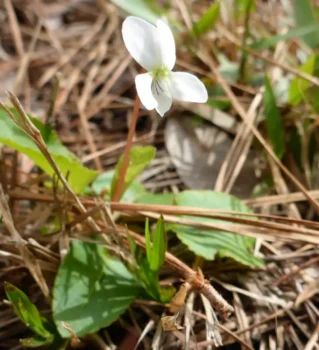
Viola ×primulifolia: A Charming Native Violet for Wet Gardens
If you’re looking for a delicate native groundcover that thrives in those tricky wet spots in your garden, meet Viola ×primulifolia. While this little violet might not have a catchy common name that rolls off the tongue, it’s a worthwhile addition to any native plant enthusiast’s collection.
What Makes This Violet Special?
Viola ×primulifolia is a perennial forb native to the lower 48 states, meaning it’s a herbaceous plant that comes back year after year without any woody stems. Think of it as nature’s answer to those soggy areas where other plants fear to tread. This violet has adapted beautifully to life in wet conditions, making it a fantastic choice for rain gardens, pond edges, or that perpetually damp corner of your yard.
Where Does It Grow Naturally?
This adaptable native has quite an impressive range across the eastern United States. You’ll find it naturally occurring in Alabama, Arkansas, Connecticut, Delaware, District of Columbia, Florida, Georgia, Illinois, Indiana, Iowa, Kentucky, Louisiana, Maine, Maryland, Massachusetts, Michigan, Mississippi, New Hampshire, New Jersey, New York, North Carolina, Ohio, Oklahoma, Pennsylvania, Rhode Island, South Carolina, Tennessee, Texas, Vermont, Virginia, West Virginia, and Wisconsin.
- Species observed
- No observations
Perfect for Wet Gardens
Here’s where this violet really shines: its relationship with water. Depending on your region, Viola ×primulifolia ranges from facultative to facultative wetland status. In plain English, this means:
- In coastal areas and the Midwest/Northeast: It usually prefers wetlands but can tolerate drier spots
- In mountain and Great Plains regions: It’s equally happy in wet or moderately dry conditions
This flexibility makes it an excellent choice for gardeners dealing with variable moisture conditions or those who want to create habitat for wildlife that depends on wetland plants.
Garden Design Ideas
Viola ×primulifolia works beautifully as:
- Groundcover in woodland gardens with moist soils
- Border plantings around ponds or water features
- Rain garden participants where it can handle both flooding and normal conditions
- Native plant garden additions that support local ecosystems
Growing Viola ×primulifolia Successfully
The beauty of native plants is that they’re generally low-maintenance once you understand their preferences. For this violet, success comes down to moisture and location.
Ideal Growing Conditions:
- Moist to wet soils (it’s quite tolerant of standing water)
- Partial shade to full sun (though it appreciates some protection in hotter climates)
- Rich, organic soils when possible
Planting Tips:
- Plant in spring or fall when temperatures are moderate
- Space plants according to your desired coverage speed
- Water regularly the first growing season to establish roots
- Add organic matter to heavy clay soils to improve drainage slightly
Wildlife Benefits
As a native plant, Viola ×primulifolia plays an important role in supporting local wildlife. Violets typically attract small pollinators like native bees and provide habitat for various insects. The seeds may also provide food for birds, and the plants offer shelter for small creatures in garden ecosystems.
Is This Violet Right for Your Garden?
Consider Viola ×primulifolia if you:
- Have consistently moist or wet areas that need attractive groundcover
- Want to support native wildlife and pollinators
- Enjoy subtle, delicate flowers rather than bold showstoppers
- Prefer low-maintenance plants that return reliably each year
While this violet might not be the star of your garden show, it’s the kind of dependable, ecological supporting player that makes native landscapes truly successful. Its adaptability to wet conditions and native status make it a smart choice for gardeners looking to work with nature rather than against it.
If you’re planning a rain garden, restoring a wet area, or simply want to add more native plants to your landscape, Viola ×primulifolia deserves a spot on your consideration list. Sometimes the most valuable plants are the ones that quietly do their job while supporting the broader ecosystem around them.