Violet Butterwort: Florida’s Rare Carnivorous Beauty
Meet one of Florida’s most fascinating native plants – the violet butterwort (Pinguicula ionantha). This tiny carnivorous perennial might just be the quirkiest addition to your specialized garden, but there are some important things you need to know before you start hunting for one.
What Makes Violet Butterwort Special
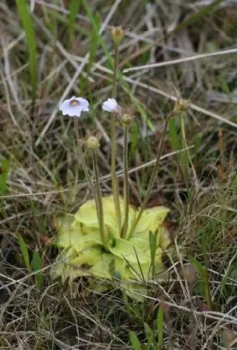
Don’t let the innocent name fool you – this little plant is a skilled predator! Violet butterwort forms small rosettes of sticky, greasy-feeling leaves that trap tiny insects. The leaves have a distinctive buttery texture that gives the plant its common name. During blooming season, delicate violet-purple flowers dance above the carnivorous foliage on slender stems, creating an enchanting display that’s both beautiful and functional.
As a forb (a non-woody flowering plant), violet butterwort stays low to the ground and maintains its perennial nature through underground structures that survive from year to year.
Native Status and Where It Grows
Violet butterwort is a true Florida native, found exclusively in the Sunshine State. This makes it a fantastic choice for gardeners looking to support local ecosystems with authentic regional plants.
- Species observed
- No observations
Important Conservation Alert
Here’s where things get serious: violet butterwort is classified as imperiled with a Global Conservation Status of S2 and is listed as Threatened in the United States. This means the species is extremely rare, with only 6 to 20 known occurrences and very few remaining individuals in the wild.
If you’re interested in growing violet butterwort, please only obtain plants from reputable nurseries that propagate them responsibly – never collect from wild populations. By choosing ethically sourced plants, you can help support conservation efforts while enjoying this remarkable native species.
Growing Conditions and Care
Violet butterwort is an obligate wetland plant, meaning it almost always occurs in wetlands. In nature, you’ll find it in Florida’s wet pine flatwoods and seepage areas. Here’s what this picky little carnivore needs to thrive:
- Water: Constantly moist conditions – think bog garden wet, not just don’t let it dry out
- Soil: Acidic, nutrient-poor growing medium like sphagnum moss or specialized carnivorous plant mix
- Light: Bright indirect light – direct sun can be too intense
- Humidity: High humidity levels that mimic its native wetland habitat
- Climate: Thrives in USDA hardiness zones 8b-10a
Perfect Garden Settings
Violet butterwort isn’t your typical border plant. It shines in:
- Specialized bog gardens
- Carnivorous plant collections
- Native wetland restoration projects
- Container gardens designed for wetland plants
Planting and Care Tips
Growing violet butterwort successfully requires attention to detail:
- Use only distilled water or rainwater – tap water can harm carnivorous plants
- Plant in a peat-based or sphagnum moss growing medium
- Maintain consistent moisture without waterlogging
- Provide bright, filtered light rather than direct sun
- Avoid fertilizing – the plant gets nutrients from captured insects
- Maintain high humidity with humidity trays or terrariums
Wildlife and Pollinator Benefits
While violet butterwort’s small flowers do attract tiny insects, their primary ecological role is somewhat different from typical flowering plants. As a carnivorous species, they actually consume small insects rather than just providing nectar. However, they still contribute to the complex web of interactions in Florida’s wetland ecosystems.
Should You Grow Violet Butterwort?
If you’re fascinated by carnivorous plants and committed to conservation, violet butterwort can be a rewarding addition to a specialized garden. However, this isn’t a plant for casual gardeners or those looking for low-maintenance options. Its threatened status means you have a responsibility to source it ethically and care for it properly.
Consider violet butterwort if you:
- Have experience with carnivorous plants or specialized growing conditions
- Can provide the consistent wetland conditions it requires
- Want to support conservation through responsible cultivation
- Have space for a bog garden or specialized container setup
This rare Florida native offers garden enthusiasts a chance to grow something truly unique while supporting the conservation of an imperiled species – just remember that with great plants comes great responsibility!