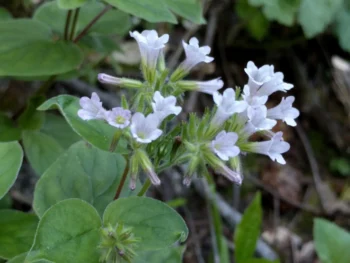
Violet Draperia: A Rare California Native Worth Protecting in Your Garden
If you’re looking to add a touch of delicate purple charm to your California shade garden while supporting native biodiversity, violet draperia might just be the hidden gem you’ve been searching for. This petite perennial brings subtle beauty to woodland spaces, but there’s something important you should know before you start planning where to plant it.
What is Violet Draperia?
Violet draperia (Draperia systyla) is a charming native California perennial that belongs to the forb family – essentially a non-woody flowering plant that dies back to ground level each winter and returns fresh each spring. Don’t let its modest size fool you; this little plant packs a lot of character with its delicate violet-purple blooms and low-growing habit.
Where Does Violet Draperia Call Home?
This lovely native is exclusively Californian, making its home in the Sierra Nevada mountains. As a true endemic species, violet draperia has evolved specifically for California’s unique mountain ecosystems and won’t be found growing wild anywhere else in the world.
- Species observed
- No observations
Important Conservation Note
Here’s where we need to have a serious conversation. Violet draperia has a Global Conservation Status of S3?, which indicates its population status is somewhat uncertain but potentially of concern. This means if you’re interested in growing this native beauty, you’ll want to be extra careful about sourcing your plants responsibly. Only purchase from reputable native plant nurseries that propagate their stock rather than wild-collecting, and never collect seeds or plants from wild populations.
Why Consider Violet Draperia for Your Garden?
Despite its rarity concerns, there are compelling reasons to include this native in appropriate gardens:
- Supports local ecosystems as a true California endemic
- Provides nectar for native bees and other small pollinators
- Creates delicate ground cover in shaded woodland areas
- Adds authentic native character to Sierra Nevada-style gardens
- Low maintenance once established in proper conditions
Perfect Garden Settings
Violet draperia thrives in specific garden types that mimic its natural mountain habitat:
- Shade gardens under mature trees
- Woodland gardens with dappled light
- Native California plant collections
- Cool, moist areas of larger landscapes
- Rock gardens with consistent moisture
Growing Conditions and Care
Success with violet draperia comes down to recreating its preferred mountain conditions:
Light Requirements: Partial to full shade – think dappled sunlight filtering through tree canopies rather than blazing California sun.
Soil Needs: Well-draining soil that stays consistently moist. It appreciates rich, humusy soil similar to what you’d find on a forest floor.
Water Requirements: Regular moisture is key, especially during dry spells. However, avoid waterlogged conditions.
Climate Zones: Best suited for USDA hardiness zones 7-9, particularly in areas that experience cooler mountain conditions.
Planting and Care Tips
- Plant in early spring or fall when temperatures are cooler
- Add a layer of leaf litter or organic mulch to retain moisture and mimic forest conditions
- Protect from intense afternoon sun and hot, dry winds
- Water regularly during establishment and dry periods
- Avoid fertilizing – like most natives, it’s adapted to natural soil conditions
- Allow space for natural spreading as ground cover
Supporting Pollinators
While violet draperia may be small, it plays an important role in supporting California’s native pollinator populations. Its delicate flowers provide nectar for native bees and other small pollinators that have co-evolved with California’s mountain flora.
The Bottom Line
Violet draperia represents both an opportunity and a responsibility for California gardeners. Its beauty and ecological value make it a worthwhile addition to appropriate shade gardens, but its uncertain conservation status means we must approach it thoughtfully. If you can provide the cool, moist, shaded conditions it craves and source your plants responsibly, you’ll be rewarded with a truly special native that connects your garden to California’s unique mountain heritage.
Remember: when we choose to grow rare natives like violet draperia, we become stewards of California’s natural heritage. Make sure your garden becomes a sanctuary that helps preserve this delicate beauty for future generations to enjoy.