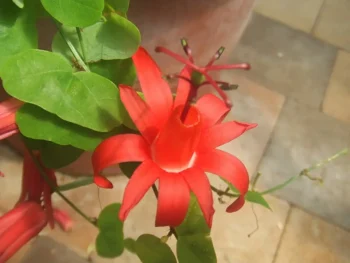
Virgin Island Passionflower: A Rare Puerto Rican Native Worth Knowing
Meet the Virgin Island passionflower (Passiflora murucuja), a fascinating native plant that calls Puerto Rico home. While you might not find this perennial beauty at your local garden center, it represents an important piece of Caribbean botanical heritage that’s worth understanding and protecting.
Where Does It Come From?
The Virgin Island passionflower is native exclusively to Puerto Rico, making it a true island endemic. This means it evolved specifically in this unique Caribbean environment and plays an important role in the local ecosystem. Its limited geographic range makes it all the more special – and all the more vulnerable.
- Species observed
- No observations
A Rare Find in the Plant World
Here’s something that makes this passionflower particularly noteworthy: it carries a conservation status of S1S3, indicating it’s quite rare in its native habitat. This rarity status means that while the Virgin Island passionflower is a legitimate native species, it’s not commonly found even where it naturally occurs.
If you’re thinking about growing this plant, proceed with caution and responsibility. Only source plants or seeds from reputable native plant nurseries that can guarantee their stock comes from ethical, sustainable sources – never from wild collection.
What Does It Look Like?
As a member of the passion vine family, the Virgin Island passionflower grows as what botanists call a forb – essentially a non-woody perennial plant. Unlike its climbing cousins that many gardeners know, this species has a more herbaceous growth pattern, staying closer to the ground without developing the thick, woody stems of a shrub or tree.
The Challenge of Growing Something Special
Here’s where things get tricky for eager gardeners: detailed growing information for Passiflora murucuja is surprisingly scarce. This isn’t uncommon with rare native species that haven’t been widely cultivated. What we do know is that as a Puerto Rican native, it likely prefers:
- Warm, tropical conditions year-round
- Well-draining soil
- Protection from strong winds
- Consistent moisture without waterlogging
Should You Grow It?
The Virgin Island passionflower presents a unique situation for native plant gardeners. On one hand, supporting rare native species through cultivation can help preserve genetic diversity and raise awareness about conservation. On the other hand, the limited information about its specific needs and its rarity status mean this isn’t a plant for beginners or casual gardeners.
If you’re passionate about Caribbean native plants and have experience with challenging species, this could be a worthwhile conservation effort – but only with properly sourced plants and realistic expectations about success rates.
Better Alternatives for Most Gardeners
For most gardeners interested in passion vines, consider these more readily available and better-documented alternatives:
- Purple passionflower (Passiflora incarnata) – native to southeastern United States
- Red passionflower (Passiflora coccinea) – if you’re in a tropical climate
- Yellow passionflower (Passiflora lutea) – native to eastern United States
The Bottom Line
The Virgin Island passionflower is more of a botanical curiosity than a practical garden choice for most people. Its rarity and the limited growing information available make it a plant best left to specialized collectors and conservation efforts rather than typical home gardens. However, learning about species like this reminds us of the incredible diversity of native plants and the importance of protecting rare species in their natural habitats.
If you’re gardening in Puerto Rico or other tropical areas, focus on well-documented native species that can thrive in cultivation while still supporting local ecosystems. Save the rare treasures like Passiflora murucuja for the experts and conservation programs that can give them the specialized care they deserve.