Virginia Fanpetals: A Towering Native Perennial for Bold Garden Statements
If you’re looking for a native plant that makes a serious statement in your landscape, Virginia fanpetals (Sida hermaphrodita) might be just what you need. This impressive perennial can tower up to 10 feet tall, creating dramatic backdrops and natural screens that few other native plants can match.
What Are Virginia Fanpetals?
Virginia fanpetals, also known by its botanical name Sida hermaphrodita, is a perennial forb that belongs to the mallow family. Don’t let the technical term forb intimidate you – it simply means this is a non-woody herbaceous plant that comes back year after year. You might also see this plant listed under its synonym Napaea hermaphrodita in older gardening references.
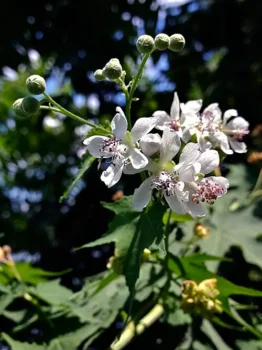
This native beauty features large, heart-shaped leaves that can span several inches across, giving it a lush, tropical appearance that’s quite unusual for a cold-hardy native plant. In summer, it produces clusters of small white flowers that, while not particularly showy from a distance, attract a variety of beneficial pollinators up close.
Where Virginia Fanpetals Call Home
Virginia fanpetals is native to eastern North America, with its natural range spanning across multiple states including Virginia, Pennsylvania, New York, Ohio, Michigan, and several others. You’ll also find it growing naturally in Ontario, Canada, though it’s considered non-native there, having been introduced and now reproducing on its own in the wild.
- Species observed
- No observations
Important Conservation Note
Here’s something crucial to know before you fall in love with this plant: Virginia fanpetals has a Global Conservation Status of S3, meaning it’s considered vulnerable in the wild. With typically only 21 to 100 occurrences or between 3,000 and 10,000 individuals remaining, this species needs our help to survive.
If you decide to grow Virginia fanpetals, please make sure you source your plants or seeds from reputable native plant nurseries that practice responsible propagation. Avoid collecting from wild populations, as this could harm already vulnerable communities.
Why Gardeners Love (and Sometimes Struggle With) Virginia Fanpetals
Virginia fanpetals brings several compelling benefits to the garden:
- Dramatic height and presence – few native perennials can match its 6-10 foot stature
- Large, attractive foliage that creates a bold textural element
- Pollinator support through its summer blooms
- Adaptable to various growing conditions and soil types
- Hardy in USDA zones 4-8, making it suitable for most northern gardens
However, this plant isn’t for every garden situation. Its towering height means it needs space to shine and won’t work in small, formal settings. The flowers, while ecologically valuable, aren’t particularly ornamental, so don’t expect a showy floral display.
Growing Conditions and Care
Virginia fanpetals is refreshingly adaptable when it comes to growing conditions. It thrives in full sun to partial shade and tolerates a range of soil conditions from moist to moderately dry. Interestingly, its wetland preferences vary by region – it strongly prefers upland conditions in coastal areas but can handle some moisture in midwestern and northeastern locations.
For best results:
- Plant in spring after the last frost
- Provide consistent moisture during the first growing season
- Choose a location with at least 6 hours of sunlight daily
- Allow 3-4 feet between plants – they need room to spread
- Cut back to ground level in late fall
Perfect Garden Partners and Design Ideas
Virginia fanpetals works best in naturalized landscapes, prairie gardens, and wildlife habitats where its bold presence can be appreciated. Use it as a living screen, plant it along property borders, or incorporate it into the back of large perennial beds where it can serve as a dramatic backdrop for shorter plants.
It pairs beautifully with other tall native perennials like Joe Pye weed, New England asters, and native grasses. In regions where it’s not native, consider pairing it with local natives that share similar growing requirements.
Supporting Pollinators and Wildlife
While Virginia fanpetals may not win beauty contests for its flowers, pollinators definitely appreciate the nectar and pollen from its small white blooms. Bees and butterflies are frequent visitors, making this plant a valuable addition to pollinator gardens and wildlife habitats.
The Bottom Line
Virginia fanpetals is a unique native plant that deserves consideration for the right garden setting. Its impressive stature, adaptability, and ecological benefits make it valuable for naturalized landscapes and large-scale plantings. Just remember to source your plants responsibly and give this vulnerable species the space and respect it deserves.
If Virginia fanpetals doesn’t seem like the right fit for your garden, consider other tall native alternatives like cup plant (Silphium perfoliatum) or Jerusalem artichoke (Helianthus tuberosus), which offer similar dramatic height with different characteristics.