Virginia Roundleaf Birch: A Rare Treasure Worth Protecting
Meet the Virginia roundleaf birch (Betula uber), quite possibly one of the most exclusive native trees you’ll ever encounter in American gardening. This isn’t your typical backyard birch – it’s a botanical celebrity with a story that’ll make you appreciate just how special our native flora can be.
What Makes This Birch So Special?
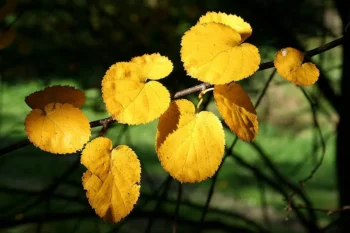
The Virginia roundleaf birch stands out from its birch cousins in several fascinating ways. Unlike other birches with their typically serrated, elongated leaves, this tree sports distinctively rounded leaves that give it its common name. It’s a perennial woody plant that grows as a tree, typically reaching 13-16 feet or more in height, though environmental conditions can sometimes keep it more compact.
Previously known by the scientific synonyms Betula lenta L. var. uber and Betula lenta L. ssp. uber, this tree has earned its own species designation due to its unique characteristics.
A True Virginia Native (And Only Virginia!)
Here’s where things get really interesting: the Virginia roundleaf birch is native to the lower 48 states, but its entire natural range consists of a single location in Smyth County, Virginia, along Cressy Creek. That’s right – this tree exists nowhere else in the wild on planet Earth!
- Species observed
- No observations
Rarity Alert: Handle with Care
Before you get too excited about adding this tree to your landscape, there’s something crucial you need to know. The Virginia roundleaf birch carries a Global Conservation Status of S1Q and is listed as Threatened in Virginia. This means it’s incredibly rare and vulnerable to extinction.
If you’re considering planting this tree, please only use responsibly sourced material from legitimate conservation nurseries or botanical institutions. Never collect from wild populations, and always verify that any plant material has been ethically propagated.
Garden Appeal and Landscape Role
For the fortunate few who can obtain ethically sourced Virginia roundleaf birch, this tree offers unique aesthetic appeal:
- Distinctive rounded leaves unlike any other birch
- Attractive bark typical of birch species
- Beautiful yellow fall coloration
- Significant conservation and educational value
- Perfect conversation starter for native plant enthusiasts
This tree is best suited for specialized native plant gardens, arboretums, botanical collections, or conservation-focused landscapes. It’s not a casual landscape choice but rather a meaningful addition for serious native plant gardeners committed to preserving rare species.
Growing Conditions and Care
Based on its natural habitat along Cressy Creek, the Virginia roundleaf birch prefers:
- Moist, well-drained soils
- Stream bank or riparian conditions
- USDA hardiness zones 5-7 (estimated from its native range)
- Consistent moisture without waterlogging
Like other birches, this species likely benefits from some protection from intense afternoon sun and appreciates organic-rich soil that mimics its streamside origins.
Wildlife and Pollinator Benefits
As a wind-pollinated species like other birches, the Virginia roundleaf birch doesn’t offer significant direct benefits to pollinators through nectar or pollen. However, as part of the birch family, it likely provides some wildlife value through seeds and as habitat, though specific wildlife interactions are not well-documented due to its extreme rarity.
The Bottom Line: Conservation Over Cultivation
The Virginia roundleaf birch represents something more precious than just another pretty tree – it’s a living piece of botanical history teetering on the edge of existence. While it can make an extraordinary addition to the right garden, the focus should always be on conservation rather than casual cultivation.
If you’re passionate about native plants and have access to ethically sourced material, growing this tree can be a meaningful way to participate in conservation efforts. Just remember that with great rarity comes great responsibility. Every Virginia roundleaf birch in cultivation represents hope for this species’ survival and a commitment to preserving our irreplaceable native heritage.
For most gardeners interested in native birches, consider more common native alternatives like river birch (Betula nigra) or paper birch (Betula papyrifera) that can provide similar aesthetic benefits without the conservation concerns.