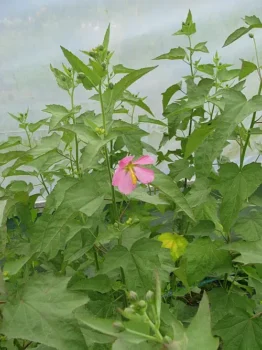
Virginia Saltmarsh Mallow: A Hidden Gem for Wetland Gardens
If you’re looking for a stunning native wildflower that thrives in wet conditions, meet Virginia saltmarsh mallow (Kosteletzkya virginica). This perennial beauty might not be on every gardener’s radar, but it deserves a spot in any wetland or rain garden. With its cheerful pink blooms and impressive resilience, this native herb offers both visual appeal and ecological benefits.
What Makes Virginia Saltmarsh Mallow Special?
Virginia saltmarsh mallow is a native perennial herb that belongs to the hibiscus family, and it shows! The plant produces gorgeous pink flowers that are 2-3 inches wide, blooming from summer through fall. These hibiscus-like blossoms sit atop sturdy stems adorned with heart-shaped leaves, creating an attractive upright display that can reach 3-6 feet tall.
As a forb herb, this plant lacks significant woody tissue but makes up for it with its herbaceous charm and impressive longevity as a perennial.
Where Virginia Saltmarsh Mallow Calls Home
This native beauty has quite an extensive range along the eastern United States. You’ll find Virginia saltmarsh mallow growing naturally in Alabama, Delaware, Florida, Georgia, Louisiana, Maryland, Mississippi, New Jersey, New York, North Carolina, Pennsylvania, South Carolina, Texas, and Virginia. It’s particularly fond of coastal areas and wetland environments throughout these regions.
- Species observed
- No observations
Important Conservation Note
Before you fall head over heels for this plant (and you will!), there’s something important to know. Virginia saltmarsh mallow has a conservation status that suggests it may be uncommon in parts of its range. If you’re planning to add this beauty to your garden, please source your plants or seeds from reputable native plant nurseries that use responsibly collected material. Avoid collecting from wild populations.
Perfect for Wet and Wild Gardens
Here’s where Virginia saltmarsh mallow really shines – it’s an obligate wetland plant, meaning it almost always occurs in wetlands. This makes it absolutely perfect for:
- Rain gardens and bioswales
- Wetland restoration projects
- Coastal gardens (it tolerates salt spray!)
- Native plant gardens with wet areas
- Pollinator gardens with consistent moisture
If you have a soggy spot in your yard that other plants struggle with, Virginia saltmarsh mallow will likely thrive there.
Growing Virginia Saltmarsh Mallow Successfully
Good news – this native is relatively easy to grow once you understand its needs:
Light Requirements: Full sun to partial shade, though it flowers best with plenty of sunlight.
Soil Needs: Consistently moist to wet soils are essential. This plant won’t tolerate drought conditions.
Hardiness: Hardy in USDA zones 6-10, making it suitable for most of its native range.
Planting Tips: Plant in spring after the last frost. Space plants 2-3 feet apart to allow for their mature spread. Water regularly during the first growing season to establish strong roots.
Low-Maintenance Beauty
Once established, Virginia saltmarsh mallow is refreshingly low-maintenance. It may self-seed in favorable conditions, giving you more plants naturally. Cut the stems back in late fall after the plant goes dormant. Other than ensuring adequate moisture, this native pretty much takes care of itself.
A Pollinator Paradise
Those beautiful pink blooms aren’t just for show – they’re pollinator magnets! Virginia saltmarsh mallow attracts bees, butterflies, and even hummingbirds with its nectar-rich flowers. The long blooming period from summer through fall provides sustained food sources when many other flowers are fading.
Should You Grow Virginia Saltmarsh Mallow?
If you have wet areas in your landscape and want to support native ecosystems, Virginia saltmarsh mallow is an excellent choice. It’s particularly valuable for gardeners interested in:
- Creating habitat for pollinators
- Managing wet or poorly-drained areas naturally
- Adding late-season color to the garden
- Supporting biodiversity with native plants
Just remember to source your plants responsibly due to its conservation status. With proper care and the right growing conditions, Virginia saltmarsh mallow will reward you with years of beautiful blooms and the satisfaction of growing a truly special native plant.