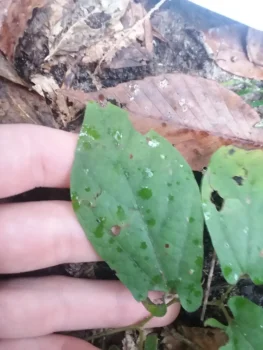
Virginia Snakeroot: A Mysterious Native Woodland Treasure
If you’re looking to add a touch of botanical mystery to your shade garden, Virginia snakeroot (Aristolochia serpentaria) might just be the perfect conversation starter. This intriguing native perennial has been quietly carpeting forest floors across eastern North America for centuries, and it’s time more gardeners discovered its unique charms.
What Makes Virginia Snakeroot Special?
Virginia snakeroot is a true native treasure, naturally occurring across 28 states from Connecticut down to Florida and west to Kansas and Texas. This woodland perennial has earned its place in American botanical history, though it often goes unnoticed due to its subtle beauty and preference for staying close to the ground.
The plant produces distinctive heart-shaped leaves and peculiar brownish-purple flowers that look like tiny curved pipes – a characteristic shared by other members of the Aristolochia family. These unusual blooms often hide near the base of the plant, making them a delightful discovery for observant gardeners.
- Species observed
- No observations
Important Rarity Considerations
Before you rush to add Virginia snakeroot to your garden, there’s something important to know: this plant has become increasingly rare in some areas. In New Jersey, it’s listed as S3 (vulnerable) and appears on the Highlands Listed species. If you’re interested in growing Virginia snakeroot, please ensure you source it responsibly from reputable native plant nurseries rather than collecting from wild populations.
Where Virginia Snakeroot Thrives
This woodland native is perfectly suited for shade gardens and naturalized areas. It thrives in USDA hardiness zones 4-8, making it adaptable to a wide range of climates. Virginia snakeroot prefers:
- Partial to full shade conditions
- Moist, well-draining soil rich in organic matter
- Woodland-type environments with leaf litter
- Undisturbed areas where it can establish slowly
According to wetland classifications, Virginia snakeroot typically grows in upland areas, though it may occasionally appear in wetland edges in coastal regions.
Wildlife and Pollinator Benefits
While Virginia snakeroot may seem modest, it plays an important ecological role. Its unusual flowers are specifically designed to attract small flies and gnats, which serve as pollinators. The pipe-shaped blooms create a temporary trap that ensures visiting insects pick up pollen before escaping – nature’s ingenious design at work!
Growing Virginia Snakeroot Successfully
Virginia snakeroot is refreshingly low-maintenance once established, but patience is key. This perennial prefers to take its time settling into new locations, so don’t expect instant gratification. Here are some tips for success:
- Plant in spring after the last frost
- Choose a spot with consistent moisture but good drainage
- Amend soil with compost or leaf mold to mimic forest conditions
- Mulch around plants to retain moisture and suppress weeds
- Avoid disturbing established plants unnecessarily
Is Virginia Snakeroot Right for Your Garden?
Virginia snakeroot is perfect for gardeners who appreciate subtle beauty and want to support native ecosystems. It’s an excellent choice for:
- Woodland and shade gardens
- Native plant collections
- Historical or medicinal plant gardens
- Areas where you want low-maintenance groundcover
Keep in mind that this isn’t a showstopper plant – its appeal lies in its quiet presence and ecological value rather than bold visual impact. If you’re looking for dramatic flowers or fast-growing coverage, you might want to consider other native options.
A Plant Worth Preserving
Virginia snakeroot represents the kind of native plant that deserves our attention and protection. While it may not be the flashiest addition to your garden, it connects you to centuries of American botanical heritage and supports local ecosystems in its own quiet way. Just remember to source it responsibly, and you’ll be contributing to the conservation of this fascinating woodland native.