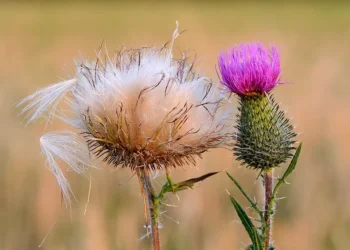
Virginia Thistle: A Rare Native Beauty for Wetland Gardens
If you’re looking to add a touch of wild elegance to your native plant garden, Virginia thistle (Cirsium virginianum) might just be the perfect purple-flowered gem you’ve been seeking. This southeastern native brings both beauty and ecological value to the right garden setting, though its rarity makes it a plant that deserves special consideration.
Meet the Virginia Thistle
Virginia thistle is a biennial forb that’s as authentic as American natives get. This spiny-stemmed beauty produces clusters of purple-pink thistle flowers that seem to dance on tall stems above deeply lobed, somewhat prickly leaves. Don’t let the thistle name scare you off – while it does have the characteristic spines, it’s a well-behaved native that won’t take over your garden like some of its more aggressive cousins.
You might also see this plant referenced by its scientific synonyms Carduus virginianus or Cirsium revolutum in older gardening references, but Cirsium virginianum is the current accepted name.
Where Virginia Thistle Calls Home
This southeastern charmer naturally occurs across nine states: Delaware, Florida, Georgia, Mississippi, New Jersey, North Carolina, South Carolina, Texas, and Virginia. It’s particularly fond of the coastal plain regions, where it thrives in the transition zones between dry land and wetland areas.
- Species observed
- No observations
A Plant Worth Protecting
Here’s where things get serious: Virginia thistle is considered vulnerable throughout its range, with a global conservation status of S3. In New Jersey, it’s actually listed as endangered. This means that if you’re considering adding this beauty to your garden, you’ll want to source it responsibly from reputable native plant nurseries that propagate rather than wild-collect their plants.
Garden Role and Landscape Appeal
Virginia thistle shines in several garden settings:
- Native wildflower meadows: Perfect for naturalized areas where its tall stems can sway in the breeze
- Rain gardens: Its facultative wetland status means it’s happy with periodic flooding
- Pollinator gardens: Those purple blooms are magnets for butterflies, native bees, and other beneficial insects
- Wildlife habitat gardens: Provides both nectar for pollinators and seeds for birds
Growing Conditions and Care
Virginia thistle is surprisingly adaptable for a plant with such specific native habitats. Here’s what it prefers:
- Light: Full sun to partial shade
- Soil: Moist to wet conditions, though it can tolerate some drought once established
- Hardiness: USDA zones 6-9
- Soil type: Adaptable to various soil types, particularly those that stay consistently moist
As a biennial, Virginia thistle follows a two-year life cycle. The first year, it develops a rosette of leaves close to the ground. The second year brings the flowering stem and those gorgeous purple blooms, followed by seed production and the end of that plant’s life cycle.
Planting and Maintenance Tips
Getting Virginia thistle established is relatively straightforward:
- Direct seed in fall for spring germination, or start with nursery-grown plants
- Plant in areas that receive consistent moisture – think edges of rain gardens or naturally low-lying spots
- Allow some plants to go to seed if you want ongoing populations (and the birds will thank you for the seeds!)
- Minimal maintenance required once established – this is a pretty independent plant
The Pollinator Connection
One of Virginia thistle’s greatest gifts to your garden ecosystem is its value to pollinators. The nectar-rich flowers attract a variety of butterflies, native bees, and other beneficial insects. The timing of its bloom period helps fill gaps in the pollinator buffet when other native plants might not be flowering.
Should You Plant Virginia Thistle?
If you have the right conditions – particularly moist to wet areas in your landscape – and can source plants responsibly, Virginia thistle makes a wonderful addition to native gardens. Its rarity actually makes it more special, not less desirable, as long as you’re helping to increase its presence through ethical cultivation rather than wild collection.
This isn’t a plant for formal flower beds or areas where you need predictable, tidy growth. Instead, it’s perfect for gardeners who want to support native biodiversity while adding authentic southeastern flora to their landscape. Just remember: with great rarity comes great responsibility, so always source your plants from reputable nurseries committed to conservation.
Virginia thistle reminds us that sometimes the most valuable garden additions are the ones that connect us directly to our local ecosystems – spines and all.