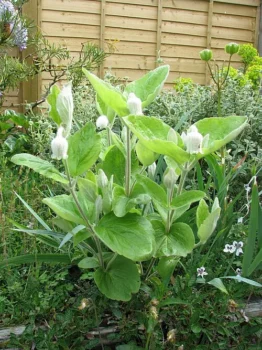
Virginia Whitehair Leather Flower: A Rare Native Clematis Worth Protecting
Meet the Virginia whitehair leather flower (Clematis coactilis), a delicate native climbing vine that’s as rare as it is beautiful. This little-known member of the clematis family is a true Virginia native, found nowhere else in the world except in the mountain regions of the Old Dominion State.
What Makes This Plant Special
The Virginia whitehair leather flower is a herbaceous perennial vine that produces charming small white flowers followed by distinctive feathery seed heads that give it the whitehair part of its common name. As a forb herb, it lacks the woody stems of its more familiar clematis cousins, dying back to the ground each winter and emerging fresh each spring.
This clematis may also be found listed under its botanical synonym, Clematis albicoma var. coactilis, in older references.
Where It Grows Naturally
This endemic species calls only Virginia home, specifically thriving in the Blue Ridge Mountains region. Its extremely limited native range makes it a true botanical treasure of the Commonwealth.
- Species observed
- No observations
A Plant That Needs Our Help
Here’s where things get serious: the Virginia whitehair leather flower carries a Global Conservation Status of S3, meaning it’s considered vulnerable to extinction. With typically only 21 to 100 occurrences and between 3,000 and 10,000 individual plants in the wild, this species faces real challenges to its survival.
If you’re interested in growing this rare beauty, please only obtain plants or seeds from reputable native plant nurseries that use responsibly sourced, ethically propagated material. Never collect from wild populations, as this could push local populations closer to extinction.
Garden Appeal and Landscape Role
Despite its rarity, the Virginia whitehair leather flower offers several appealing qualities for the right garden:
- Delicate white flowers that attract butterflies and other pollinators
- Attractive feathery seed heads that add textural interest
- Climbing habit perfect for trellises, fences, or naturalized areas
- Low-maintenance once established
This clematis works beautifully in woodland gardens, native plant collections, and rock gardens where its delicate nature can be appreciated up close.
Growing Conditions and Care
The Virginia whitehair leather flower thrives in USDA hardiness zones 5-8, making it suitable for much of the eastern United States beyond its native Virginia range. Here’s what it needs to flourish:
- Light: Partial shade to full sun
- Soil: Well-drained soils, particularly rocky or sandy types
- Water: Moderate moisture; avoid waterlogged conditions
- Support: Provide a trellis, fence, or other climbing structure
Planting and Care Tips
Success with this rare native comes down to mimicking its mountain habitat:
- Ensure excellent drainage – this is non-negotiable
- Apply a layer of mulch to keep roots cool and moist
- Provide support for climbing, but don’t expect rapid growth
- Minimal pruning needed; simply remove dead material in late winter
- Be patient – rare plants often take time to establish
Supporting Conservation Through Gardening
By choosing to grow the Virginia whitehair leather flower in your garden, you’re participating in ex-situ conservation – maintaining genetic diversity outside of wild populations. This is especially valuable for vulnerable species like this one.
Remember to share seeds or divisions only with fellow conservation-minded gardeners, and always emphasize the importance of responsible sourcing. Together, we can help ensure this rare Virginia native continues to grace gardens and wild places for generations to come.
The Virginia whitehair leather flower may be small and rare, but it represents something much larger: our connection to place and our responsibility to protect the unique botanical heritage of our regions. In a world of common garden plants, growing something this special feels like tending a living piece of natural history.