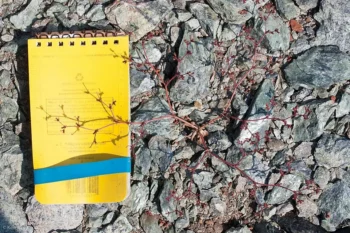
Vortriede’s Spineflower: A Rare California Native Worth Protecting
If you’re passionate about native California plants and conservation, Vortriede’s spineflower (Systenotheca vortriedei) might just capture your heart—though finding it for your garden will require some dedication. This little-known annual belongs to the buckwheat family and represents one of California’s more elusive botanical treasures.
What Makes Vortriede’s Spineflower Special?
Vortriede’s spineflower is what botanists call a forb—essentially a soft-stemmed herbaceous plant that completes its entire life cycle in a single growing season. As an annual, it germinates, grows, flowers, sets seed, and dies all within one year, making timing crucial for both the plant’s survival and your gardening success.
This species has quite the taxonomic history, having been shuffled around the botanical classification system. You might also see it referenced by its former names: Centrostegia vortriedei or Chorizanthe vortriedei. Don’t let the name changes fool you—it’s the same remarkable plant.
Where Does It Call Home?
Vortriede’s spineflower is a true California endemic, found nowhere else in the world except within the Golden State’s borders. This limited distribution makes it extra special for native plant enthusiasts, but it also means the species faces unique conservation challenges.
- Species observed
- No observations
A Word of Caution: This Plant is Rare
Before you start planning your garden around Vortriede’s spineflower, here’s something crucial to know: this species has a Global Conservation Status of S3, meaning it’s considered vulnerable to extinction. With only an estimated 21 to 100 occurrences and between 3,000 to 10,000 individual plants remaining in the wild, every specimen matters.
If you’re determined to grow this rare beauty, please ensure you source seeds or plants only from reputable native plant societies or conservation organizations that practice ethical collection methods. Never collect from wild populations—this could push local populations closer to extinction.
Growing Vortriede’s Spineflower: What We Know
Unfortunately, detailed cultivation information for this rare species is limited, which is typical for plants that aren’t commonly grown. However, we can make some educated guesses based on its family relationships and California native plant growing principles:
- Climate: As a California native, it likely prefers Mediterranean climate conditions with wet winters and dry summers
- Soil: Most spineflowers in the buckwheat family prefer well-draining soils, often sandy or rocky
- Water: Being an annual, it probably germinates with winter rains and completes its life cycle by summer
- Sunlight: Likely prefers full sun, typical of most buckwheat family members
Garden Design Considerations
If you’re lucky enough to obtain responsibly sourced seeds, Vortriede’s spineflower would be perfect for:
- Native plant conservation gardens
- Wildlife habitat restoration projects
- Educational gardens showcasing rare California flora
- Rock gardens or areas with poor, well-draining soil
Supporting Conservation Efforts
Even if you can’t grow Vortriede’s spineflower in your own garden, you can still support its conservation by:
- Supporting California native plant societies and conservation organizations
- Participating in native plant sales that fund conservation research
- Growing other members of the spineflower genus that are more readily available
- Advocating for habitat protection in areas where rare species occur
The Bottom Line
Vortriede’s spineflower represents the kind of botanical treasure that makes native plant gardening so rewarding—and so important. While it may not be the easiest plant to obtain or grow, its rarity makes it all the more precious. If you do have the opportunity to cultivate this species, you’ll be participating directly in conservation efforts while adding a truly unique California native to your garden.
Remember, the best way to honor rare plants like Vortriede’s spineflower is to respect their wild populations while supporting the organizations working to protect them. Sometimes the greatest act of gardening love is simply knowing these species exist and advocating for their protection.