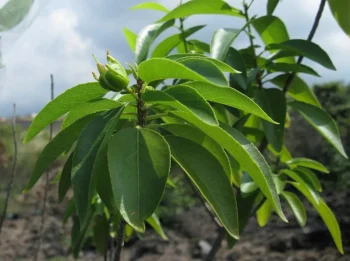
Wahine Noho Kula: A Rare Hawaiian Native Worth Protecting
If you’re passionate about native Hawaiian plants and conservation, you may have heard of wahine noho kula (Isodendrion pyrifolium), one of Hawaii’s most endangered shrubs. This unassuming but ecologically important plant represents both the beauty and fragility of Hawaii’s native ecosystems.
What Is Wahine Noho Kula?
Wahine noho kula is a perennial shrub native exclusively to the Hawaiian Islands. This multi-stemmed woody plant typically grows less than 13-16 feet tall, with several stems arising from near the ground. Like many Hawaiian natives, it has adapted to the islands’ unique climate and growing conditions over thousands of years.
The plant goes by several scientific synonyms in botanical literature, including Isodendrion hawaiiense, Isodendrion hillebrandii, and others, reflecting the complex taxonomic history of Hawaiian flora.
Where Does It Grow?
This rare shrub is found only in Hawaii, scattered across several islands including Maui, Molokai, and Lanai. It naturally grows in dry to mesic forest environments, where it has adapted to well-draining soils and variable light conditions.
- Species observed
- No observations
A Plant in Crisis
Important Conservation Alert: Wahine noho kula is critically endangered with a Global Conservation Status of S1, meaning it’s at extreme risk of extinction. In the United States, it’s officially listed as Endangered, with typically fewer than 5 occurrences and very few remaining individuals in the wild.
This rarity status means that if you’re interested in growing this plant, you should only obtain it through legitimate conservation programs or licensed botanical institutions that work with responsibly sourced material.
Why Grow Wahine Noho Kula?
While this isn’t a plant for every gardener, wahine noho kula offers unique value for specific situations:
- Conservation impact: Growing this plant helps preserve Hawaii’s endangered flora
- Native authenticity: Perfect for authentic Hawaiian native gardens
- Educational value: Great for botanical collections and educational landscapes
- Ecological restoration: Essential for dry forest restoration projects
Growing Conditions and Care
Wahine noho kula thrives in USDA hardiness zones 10-11, making it suitable only for tropical and subtropical climates. Here’s what this rare shrub needs to flourish:
Ideal Growing Conditions:
- Soil: Well-draining soils that don’t retain excess moisture
- Light: Partial shade to full sun, adapting to various light levels
- Water: Moderate watering with excellent drainage to prevent root rot
- Climate: Warm, stable temperatures year-round
Care Tips:
- Provide protection from strong winds that can damage branches
- Ensure excellent drainage – this plant doesn’t tolerate waterlogged conditions
- Water carefully, allowing soil to dry between waterings
- Consider companion planting with other native Hawaiian species
Is This Plant Right for Your Garden?
Honestly, wahine noho kula isn’t the right choice for most home gardeners. Its critically endangered status means it should only be grown by serious conservationists, botanical institutions, or those participating in legitimate restoration efforts.
If you’re drawn to native Hawaiian plants but want something more accessible, consider other native Hawaiian shrubs that aren’t as critically endangered. Always work with reputable native plant societies or conservation organizations when sourcing rare Hawaiian plants.
The Bottom Line
Wahine noho kula represents both the incredible diversity of Hawaiian flora and the urgent need for plant conservation. While growing this rare shrub requires special consideration and responsible sourcing, it offers gardeners a chance to participate directly in preserving Hawaii’s natural heritage.
If you’re interested in growing this endangered species, connect with Hawaiian native plant societies, botanical gardens, or conservation organizations that can guide you toward legitimate sources and proper growing techniques. Every plant grown responsibly helps ensure that future generations will know the quiet beauty of wahine noho kula.