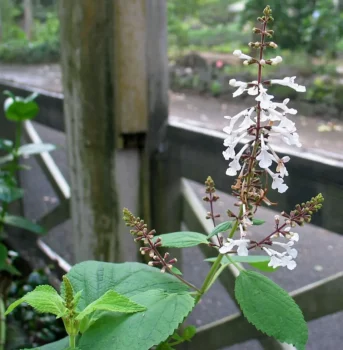
Waianae Range Phyllostegia: A Rare Hawaiian Treasure Worth Protecting
Meet the Waianae Range phyllostegia (Phyllostegia mollis), a delicate member of the mint family that’s as rare as it is remarkable. This little Hawaiian native is fighting for survival in the wild, making it both a conservation priority and a special addition for dedicated native plant gardeners.
A Plant on the Brink
Before we dive into growing tips, let’s address the elephant in the room: this plant is critically endangered. With a Global Conservation Status of S1 and listed as Endangered, Phyllostegia mollis typically has only 5 or fewer occurrences in the wild with very few remaining individuals. If you’re considering adding this beauty to your garden, please ensure you’re sourcing it responsibly from reputable native plant nurseries or conservation programs.
Where Does It Come From?
This perennial herb is endemic to Hawaii, specifically calling the Waianae Mountains of Oahu home. It’s found nowhere else on Earth, which makes its conservation all the more critical. The plant grows naturally in Hawaii’s mesic to wet forest environments.
- Species observed
- No observations
What Makes It Special?
As a member of the mint family, the Waianae Range phyllostegia produces small, tubular flowers that range from white to pale purple. Like its mint cousins, it has aromatic foliage that releases a pleasant scent when brushed against. This herbaceous perennial grows as a forb – think of it as a non-woody plant that dies back to ground level but returns year after year from its root system.
Garden Role and Design Potential
In the right setting, this rare native can serve as:
- Groundcover in shaded native Hawaiian gardens
- Understory plantings in forest restoration projects
- Special collection pieces in botanical or conservation gardens
- Educational plants for native Hawaiian landscaping demonstrations
Growing Conditions
Phyllostegia mollis isn’t your typical backyard plant – it has specific needs that mirror its natural mountain forest habitat:
- Light: Partial shade to filtered sunlight
- Soil: Well-draining but consistently moist
- Climate: USDA hardiness zones 10-11 (tropical conditions)
- Moisture: Regular watering to maintain consistent soil moisture
- Protection: Shelter from strong winds and direct afternoon sun
Planting and Care Tips
Growing this endangered beauty requires patience and dedication:
- Start with plants from reputable conservation nurseries – never collect from the wild
- Create a microclimate that mimics Hawaiian mountain forests
- Provide consistent moisture without waterlogging
- Use organic mulch to retain soil moisture and suppress weeds
- Monitor closely for pests and diseases
- Consider companion planting with other native Hawaiian species
Supporting Pollinators and Wildlife
While specific wildlife benefits aren’t well documented, as a native Hawaiian mint family member, it likely supports native insects and may attract native birds. Every native plant contributes to the complex web of Hawaiian ecosystems.
The Bottom Line
Should you plant Waianae Range phyllostegia? Only if you’re committed to conservation and can source it responsibly. This isn’t a plant for casual gardeners – it’s for those passionate about preserving Hawaii’s unique botanical heritage. If you’re up for the challenge and can provide the specialized care it needs, you’ll be contributing to the survival of one of Hawaii’s rarest plants.
Remember, with great rarity comes great responsibility. By growing this endangered species, you become part of its conservation story.