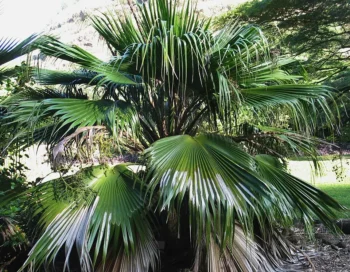
Waianae Range Pritchardia: A Rare Hawaiian Palm Worth Protecting
Meet the Waianae Range pritchardia (Pritchardia kaalae), one of Hawaii’s most endangered native palms. This stunning tree represents both the beauty and fragility of Hawaii’s unique plant heritage. If you’re passionate about native Hawaiian plants and conservation gardening, this remarkable palm might just capture your heart – though growing it comes with important responsibilities.
What Makes This Palm Special?
The Waianae Range pritchardia is a perennial tree that typically grows as a single-trunked palm reaching 13 to 16 feet in height, though some specimens may develop multiple stems or stay shorter depending on environmental conditions. With its elegant fan-shaped leaves and stately tropical presence, this palm serves as a living piece of Hawaiian natural history.
Where Does It Come From?
This native Hawaiian species is found exclusively in Hawaii, specifically in the Waianae Mountains of Oahu. Its incredibly limited range is part of what makes it so precious – and so vulnerable.
- Species observed
- No observations
A Conservation Alert: This Palm Needs Our Help
Here’s where things get serious: the Waianae Range pritchardia has a Global Conservation Status of S1, meaning it’s critically imperiled. In the United States, it’s listed as Endangered. With typically five or fewer occurrences and very few remaining individuals (less than 1,000), this palm is teetering on the brink of extinction.
What this means for gardeners: If you’re considering growing this palm, you absolutely must source it responsibly from reputable native plant nurseries or conservation programs. Never collect from wild populations – every wild plant is crucial for the species’ survival.
Growing Conditions and Care
The Waianae Range pritchardia has a wetland status of Facultative Upland, meaning it usually grows in non-wetland areas but can tolerate some wetland conditions. This gives us clues about its preferred growing environment:
- Well-draining soil that doesn’t stay constantly wet
- Tropical climate (USDA zones 10-12 only)
- Humid conditions similar to its native Hawaiian habitat
- Protection from strong winds
Is This Palm Right for Your Garden?
This palm works best in:
- Tropical and subtropical gardens
- Hawaiian native plant collections
- Conservation-focused landscapes
- Educational gardens highlighting endangered species
However, this isn’t a palm for casual gardeners. Its endangered status means it requires:
- Specialized knowledge and care
- Commitment to conservation ethics
- Access to legitimate, conservation-approved sources
- Suitable tropical growing conditions
The Bottom Line
The Waianae Range pritchardia is a magnificent native Hawaiian palm that deserves our protection and respect. While it can be a stunning addition to appropriate tropical gardens, growing it comes with the responsibility of supporting conservation efforts rather than contributing to its decline.
If you’re passionate about Hawaiian native plants and have the proper growing conditions, consider reaching out to Hawaiian native plant societies or conservation organizations to learn about responsible ways to support this species’ survival. Sometimes the most meaningful way to appreciate a rare plant is to support its conservation in the wild while growing other, less endangered native alternatives in our gardens.
Remember: every plant matters when there are so few left. Let’s make sure future generations can enjoy the beauty of the Waianae Range pritchardia both in gardens and in its native Hawaiian home.