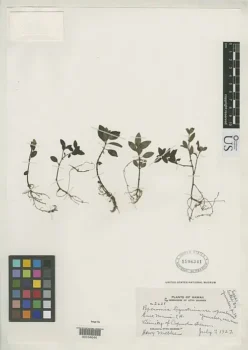
Waihee Valley Peperomia: A Rare Hawaiian Native Worth Protecting
Meet the Waihee Valley peperomia (Peperomia ligustrina), a charming little Hawaiian native that deserves a special place in your heart—and possibly your garden. This delicate annual forb may not be the showiest plant in the tropical garden world, but what it lacks in flashiness, it more than makes up for in conservation value and unique Hawaiian heritage.
What Makes This Plant Special?
The Waihee Valley peperomia is a true Hawaiian endemic, meaning it exists nowhere else on Earth except in the Hawaiian Islands. Originally discovered and associated with Maui’s Waihee Valley area, this little plant represents millions of years of isolated evolution in paradise. As a member of the pepper family, it shares DNA with the plant that gives us black pepper, though you definitely shouldn’t season your dinner with this rare beauty!
This annual forb grows as a non-woody plant, developing fresh growth each year from seeds or underground parts. Its compact, ground-hugging form makes it a natural choice for rock gardens or as a living ground cover in native Hawaiian landscapes.
Where Does It Grow?
Peperomia ligustrina calls Hawaii home and only Hawaii. Within the island chain, its distribution is quite limited, which brings us to an important conversation about conservation.
- Species observed
- No observations
A Plant That Needs Our Help
Here’s where things get serious: the Waihee Valley peperomia has a Global Conservation Status of S3, meaning it’s considered vulnerable to extinction. With typically only 21 to 100 occurrences or between 3,000 and 10,000 individuals remaining in the wild, this little plant is walking a tightrope between survival and disappearance.
If you’re considering adding this species to your garden, please—and we can’t stress this enough—only source it from reputable native plant nurseries or conservation programs. Never collect plants from wild populations, as this could push already struggling communities over the edge.
Growing Waihee Valley Peperomia
Despite its rarity in nature, this peperomia can adapt to cultivation with the right care. Here’s what you need to know:
Ideal Growing Conditions
- Climate: Thrives in USDA hardiness zones 10-12, making it perfect for tropical and subtropical gardens
- Water needs: As a facultative wetland species, it can handle both moist and drier conditions, but prefers consistent, moderate moisture
- Light requirements: Partial shade works best—think filtered sunlight through a tree canopy
- Soil preferences: Well-draining soil is crucial; these plants don’t appreciate soggy feet
Care Tips
- Water regularly but allow soil to dry slightly between waterings
- Protect from harsh, direct afternoon sun
- Provide good air circulation to prevent fungal issues
- Since it’s an annual, expect to replant or allow self-seeding each year
Garden Design Ideas
The Waihee Valley peperomia works beautifully in several garden settings:
- Native Hawaiian gardens: Perfect for authentic island landscaping
- Rock gardens: Its compact form nestles nicely among stones
- Container gardens: Great for pots and planters where you can control growing conditions
- Conservation gardens: Ideal for gardeners focused on preserving rare species
Supporting Conservation Through Gardening
By growing the Waihee Valley peperomia responsibly, you’re not just adding an interesting plant to your collection—you’re participating in conservation. Home cultivation can serve as a backup population and help maintain genetic diversity outside of wild habitats.
Remember, this plant’s vulnerable status means every individual matters. If you’re lucky enough to grow it successfully, consider sharing seeds or plants with other conservation-minded gardeners, always being sure to maintain proper documentation of the plant’s origins.
The Bottom Line
The Waihee Valley peperomia may be small and unassuming, but it carries the weight of Hawaiian natural heritage on its tiny shoulders. While it requires responsible sourcing and thoughtful care, growing this rare native offers the unique opportunity to contribute to conservation while connecting with Hawaii’s incredible endemic flora. For gardeners who appreciate the story behind their plants as much as their beauty, this little peperomia is truly special.
Just remember: with great rarity comes great responsibility. Garden wisely, and help ensure future generations can enjoy this remarkable piece of Hawaiian biodiversity.