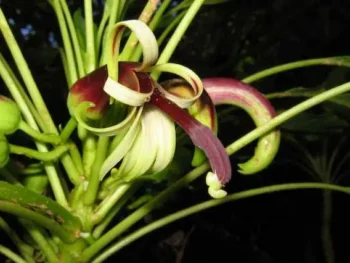
Wailai Pali Clermontia: A Rare Hawaiian Treasure for Your Native Garden
If you’re passionate about Hawaiian native plants and conservation gardening, you may have encountered the enchanting Wailai Pali clermontia (Clermontia pallida). This remarkable endemic shrub represents both the beauty and fragility of Hawaii’s unique flora, making it a special addition for dedicated native plant enthusiasts.
What Makes Wailai Pali Clermontia Special?
Wailai Pali clermontia is a perennial shrub that’s exclusively native to Hawaii, meaning you won’t find this beauty growing naturally anywhere else on Earth. As part of the bellflower family, this multi-stemmed woody plant typically grows to less than 13-16 feet tall, though it can sometimes stretch taller depending on environmental conditions.
The plant is distributed throughout Hawaii, where it plays an important role in the native forest ecosystem.
- Species observed
- No observations
Important Conservation Considerations
Before you fall in love with this plant, here’s something crucial to know: Wailai Pali clermontia has a Global Conservation Status of S3, meaning it’s considered vulnerable to extinction. With only 21-100 known occurrences and an estimated 3,000-10,000 individuals remaining in the wild, this species needs our protection.
If you’re considering adding this rare beauty to your garden, please ensure you source it responsibly from reputable native plant nurseries or conservation programs. Never collect from wild populations.
Garden Role and Landscape Design
Wailai Pali clermontia shines in:
- Native Hawaiian restoration gardens
- Conservation-focused landscapes
- Endemic species collections
- Educational gardens showcasing Hawaiian flora
This shrub works beautifully as part of a native Hawaiian forest understory planting, where it can mingle with other indigenous species to create an authentic island ecosystem in your backyard.
Growing Conditions and Care
Successfully growing Wailai Pali clermontia requires replicating its native Hawaiian forest habitat:
Climate Requirements: This tropical beauty is suited only for USDA hardiness zones 10-12, primarily within Hawaii’s climate conditions.
Moisture Needs: The plant has a facultative wetland status, meaning it can tolerate both wetland and non-wetland conditions. This flexibility makes it adaptable to various moisture levels in Hawaiian gardens.
Ideal Conditions: Provide high humidity, filtered light (similar to forest understory), and well-draining volcanic soils that mimic its natural habitat.
Pollinator and Wildlife Benefits
As a member of the Clermontia genus, this species likely evolved alongside native Hawaiian birds and may provide nectar for native pollinators. By growing this plant, you’re supporting the complex web of relationships that make Hawaiian ecosystems so unique.
Is Wailai Pali Clermontia Right for Your Garden?
Consider this plant if you:
- Live in Hawaii or have a suitable tropical climate
- Are committed to conservation gardening
- Can provide the specific growing conditions it needs
- Have access to responsibly sourced plants
- Want to support Hawaiian endemic species preservation
This isn’t a plant for casual gardeners – it requires dedication and specific conditions. However, for those committed to Hawaiian native plant conservation, Wailai Pali clermontia offers the opportunity to participate in preserving one of Hawaii’s vulnerable endemic species while creating a truly authentic native garden.
The Bottom Line
Wailai Pali clermontia represents the intersection of gardening and conservation. While its rarity means it’s not for everyone, those who can provide the right conditions and source plants responsibly will be rewarded with a unique piece of Hawaiian natural heritage. Remember: every garden that successfully grows this vulnerable species contributes to its long-term survival.