Walker Pass Milkvetch: A Rare California Native Worth Protecting
If you’re passionate about California’s native plants and conservation, you may have heard whispers about the elusive Walker Pass milkvetch. This isn’t your typical garden center find – it’s one of California’s botanical treasures that deserves our attention and respect.
Meet the Walker Pass Milkvetch
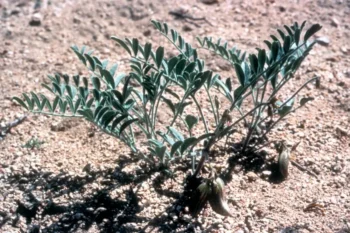
Walker Pass milkvetch (Astragalus ertterae) is a perennial member of the pea family that calls a very specific slice of California home. With its delicate white to cream-colored flowers and silvery-green compound leaves, this milkvetch has adapted to thrive in one of the most challenging environments in the Golden State.
A Plant on the Edge
Here’s where things get serious: Walker Pass milkvetch has a Global Conservation Status of S2, meaning it’s imperiled. With typically only 6 to 20 known occurrences and fewer than 1,000 to 3,000 remaining individuals, this species is walking a tightrope toward extinction. That extreme rarity makes it especially vulnerable, and every plant matters.
Where in the World?
This milkvetch is endemic to California, specifically the southern Sierra Nevada region around Walker Pass in Kern County. It’s not just rare – it’s geographically picky, having evolved to survive in this unique desert mountain environment.
- Species observed
- No observations
Should You Grow Walker Pass Milkvetch?
The short answer is: proceed with extreme caution and only with responsibly sourced material. Here’s what you need to know:
- Never collect seeds or plants from wild populations
- Only obtain plants from reputable native plant nurseries that can verify ethical sourcing
- Consider this plant only if you’re committed to conservation and have appropriate growing conditions
- You may want to focus on more common milkvetch species that provide similar ecological benefits
Growing Conditions and Care
If you do decide to grow Walker Pass milkvetch with properly sourced material, you’ll need to replicate its natural habitat:
- Sunlight: Full sun exposure
- Soil: Extremely well-draining, sandy or rocky soils
- Water: Drought tolerant once established; avoid overwatering
- Climate: USDA zones 8-10, suited for arid climates
- Garden type: Rock gardens, xeric landscapes, specialized native plant collections
Benefits to Wildlife
Like other milkvetch species, Walker Pass milkvetch likely provides nectar for native bees and other pollinators. Its pea-like flowers are perfectly designed for specialized pollinators, and as a legume, it helps fix nitrogen in the soil.
The Bottom Line
Walker Pass milkvetch represents both the beauty and fragility of California’s native plant heritage. While it might be tempting to add this rare gem to your collection, the most responsible approach is to support its conservation in the wild and consider growing more common native alternatives that provide similar ecological benefits without the conservation concerns.
If you’re passionate about rare plants, consider volunteering with botanical organizations working to protect Walker Pass milkvetch in its natural habitat. Sometimes the best way to love a plant is to let it thrive where it belongs.