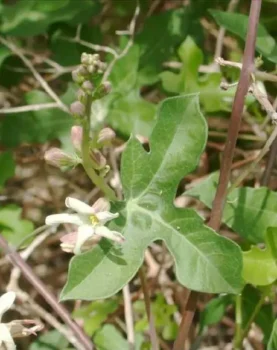
Walker’s Manihot: A Rare Texas Native That Needs Our Protection
If you’ve stumbled across the name Walker’s manihot (Manihot walkerae) in your native plant research, you’ve discovered one of Texas’s most elusive botanical treasures. This isn’t your typical garden center find – in fact, it’s a plant so rare that most gardeners will never encounter it in the wild, let alone in cultivation.
What Makes Walker’s Manihot Special?
Walker’s manihot is a perennial forb, which simply means it’s a non-woody plant that comes back year after year. As a member of the diverse Manihot genus (you might know its famous cousin, cassava), this Texas native represents a unique piece of our botanical heritage that’s hanging on by a thread.
Where Does It Call Home?
This rare gem is native to Texas, where it clings to existence in just a handful of locations. Its extremely limited geographic distribution is part of what makes it so vulnerable to extinction.
- Species observed
- No observations
A Plant in Crisis
Here’s where things get serious: Walker’s manihot carries an Endangered status in the United States and has a Global Conservation Status of S2, meaning it’s imperiled due to extreme rarity. With typically only 6 to 20 occurrences remaining and potentially fewer than 3,000 individuals in the wild, this plant is in real trouble.
What does this mean for gardeners? Simply put, this isn’t a plant you should be casually adding to your shopping list.
Should You Grow Walker’s Manihot?
The short answer is: probably not, and definitely not without extreme care and proper sourcing. If you’re passionate about conservation and have access to responsibly sourced material through legitimate conservation programs, there might be a role for this plant in specialized conservation gardens. However, several important considerations apply:
- Only obtain plants through legitimate conservation organizations or botanical institutions
- Never collect from wild populations
- Ensure any cultivation efforts support, rather than compete with, wild conservation efforts
- Work with local conservation groups to understand if home cultivation is appropriate in your area
Growing Conditions and Care
Unfortunately, detailed cultivation information for Walker’s manihot is extremely limited due to its rarity. As a Texas native, it likely prefers conditions similar to other plants in its region, but without extensive horticultural trials, specific growing requirements remain largely unknown.
If you’re working with conservation organizations to grow this species, you’ll likely need to experiment with typical Texas native plant conditions and work closely with botanists familiar with the species.
Better Alternatives for Your Garden
Instead of seeking out this endangered species, consider supporting conservation efforts while choosing more readily available Texas natives for your garden. Look for other native forbs that can provide similar ecological benefits without putting pressure on rare species.
Some excellent Texas native alternatives include various native wildflowers and forbs that are better suited for home gardens and won’t contribute to conservation concerns.
How You Can Help
The best way to support Walker’s manihot isn’t necessarily by growing it, but by supporting conservation organizations working to protect its remaining habitat. Consider donating to botanical conservation efforts, participating in native plant society activities, and choosing abundant native species for your own garden.
Sometimes the most gardener-friendly thing we can do for a rare plant is to admire it from afar and let the experts handle its conservation while we focus our gardening energy on species that can benefit from wider cultivation.
Walker’s manihot serves as a reminder of how precious and fragile our native plant heritage can be – and why every gardener has a role to play in conservation, even if it means choosing not to grow certain species.