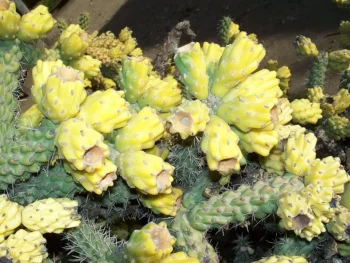
Walkingstick Cactus: A Striking Native for Desert Gardens
If you’re looking to add some serious desert drama to your landscape, the walkingstick cactus might just be your new best friend. This distinctive native plant brings both beauty and resilience to xeriscaped gardens, though it’s definitely not for every climate or gardener.
What Is Walkingstick Cactus?
Walkingstick cactus (Cylindropuntia spinosior) is a perennial shrub native to the southwestern United States. True to its name, this cactus features segmented stems that look remarkably like gnarled walking sticks reaching toward the sky. It’s a multi-stemmed woody plant that typically grows 13 to 16 feet tall, creating an impressive architectural presence in the right setting.
You might also see this plant listed under its former scientific names, including Opuntia spinosior, as botanical classifications have evolved over time.
Where Does It Grow Naturally?
This desert dweller calls the Sonoran Desert home, naturally occurring in Arizona and New Mexico. It’s perfectly adapted to the harsh, arid conditions of these regions, where it thrives in areas that would challenge most other plants.
- Species observed
- No observations
Why Consider Walkingstick Cactus for Your Garden?
There are several compelling reasons to consider this native beauty:
- Striking appearance: The segmented, stick-like stems create incredible visual interest and architectural form
- Bright blooms: Yellow flowers appear in spring, adding cheerful color to the desert palette
- Pollinator support: Those spring blooms attract bees and other important desert pollinators
- Colorful fruit: After flowering, the plant produces attractive fruits that add another season of interest
- Ultra low-maintenance: Once established, it requires virtually no care beyond what nature provides
- Native plant benefits: Supporting local ecosystems while reducing water usage
Important Conservation Note
Before you rush out to plant one, there’s something important to know: walkingstick cactus has a conservation status of S3S4, indicating it may be vulnerable in parts of its range. This means if you decide to grow it, please source your plant responsibly from reputable native plant nurseries rather than collecting from the wild.
Is It Right for Your Garden?
Walkingstick cactus isn’t suitable for every garden or gardener. Here’s who should consider it:
Perfect for:
- Desert and xeriscape gardens
- Low-water landscape designs
- USDA hardiness zones 8b through 10
- Gardeners who appreciate unique, architectural plants
- Those wanting to support native desert ecosystems
Skip it if:
- You live outside its hardiness range
- Your soil doesn’t drain well
- You prefer lush, tropical-looking gardens
- You have small children or pets who might encounter the spines
Growing Walkingstick Cactus Successfully
If you’ve decided this desert beauty is right for you, here’s how to help it thrive:
Location and Soil: Choose the sunniest spot in your garden with excellent drainage. Sandy or rocky soil is ideal – think desert conditions. If your soil holds water, create a raised bed or mound to improve drainage.
Planting: Spring is the best time to plant, giving the cactus a full growing season to establish before winter. Dig a hole just as deep as the root ball and twice as wide.
Watering: Here’s where many people go wrong – less is definitely more. Water deeply but infrequently during the first year to help establish roots. Once established, natural rainfall should be sufficient in most areas within its range.
Care: The beauty of this plant is how little care it needs. Avoid fertilizing, as desert plants prefer lean soil. The biggest threat is overwatering or poor drainage, which can lead to root rot.
The Bottom Line
Walkingstick cactus is a stunning choice for the right garden and gardener. If you live in the appropriate climate zone and love the idea of a dramatic, low-maintenance native plant that supports local wildlife, this could be perfect for you. Just remember to source it responsibly and give it the well-draining conditions it craves. Your local pollinators – and your water bill – will thank you.