Warnstorf’s Sphagnum: A Rare Moss Worth Knowing
Meet Warnstorf’s sphagnum (Sphagnum warnstorfii), a fascinating little moss that’s doing big things in North American wetlands. While you might not think of moss as garden-worthy, this particular species has some pretty impressive credentials – and a conservation story that makes it worth understanding.
What Exactly is Warnstorf’s Sphagnum?
Warnstorf’s sphagnum is a bryophyte – that’s the fancy term for the group that includes mosses, liverworts, and hornworts. Unlike your typical garden plants, this little green wonder doesn’t have roots, stems, or leaves in the traditional sense. Instead, it’s a herbaceous plant that forms dense, cushiony mats and has a knack for attaching itself to rocks, fallen logs, or other solid surfaces rather than growing directly in soil.
This moss is native to North America, where it plays an important ecological role in wetland environments. You might also see it referred to by its botanical synonym, Sphagnum warnstorfianum Du Rietz, but Sphagnum warnstorfii is the name that’s stuck.
Where You’ll Find This Special Moss
Warnstorf’s sphagnum calls the northern and mountainous regions of North America home, thriving in the cool, moist conditions of boreal and alpine environments. However, here’s where things get interesting – and important.
A Rarity Worth Protecting
Here’s the thing about Warnstorf’s sphagnum that every nature lover should know: it’s rare. In New Jersey, this moss has earned a Highlands Listed, S2 rarity status, which means it’s considered imperiled in the state. This classification puts it in the handle with care category.
If you’re thinking about incorporating this moss into a specialized bog garden or naturalistic landscape, please – and we can’t stress this enough – make sure any material you acquire comes from responsible, ethical sources. Wild collection of rare plants contributes to their decline, and that’s the last thing we want.
Could This Moss Work in Your Garden?
Let’s be honest: Warnstorf’s sphagnum isn’t your typical garden plant. This moss has very specific needs that make it challenging for most home gardeners. It thrives in acidic, consistently wet conditions with high humidity – think specialized bog gardens or alpine rock gardens with just the right microclimate.
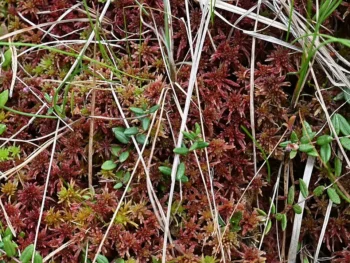
If you’re creating a conservation-focused landscape or have the perfect spot for a bog garden, this moss could add authentic character to your design. It forms beautiful, dense mats that provide texture and that distinctive sphagnum coloration that ranges from pale green to reddish-brown.
Benefits to Your Garden Ecosystem
While Warnstorf’s sphagnum won’t attract pollinators like flowering plants (mosses reproduce through spores, not flowers), it does contribute to garden biodiversity. Moss creates microhabitats for tiny insects and other small creatures, helps retain moisture in the landscape, and adds to the overall ecological complexity of your garden.
In wetland settings, sphagnum mosses like this one are ecosystem engineers, helping to create and maintain the acidic, water-retentive conditions that support specialized plant communities.
How to Identify Warnstorf’s Sphagnum
If you encounter this moss in the wild, here’s what to look for:
- Dense, cushion-like growth pattern
- Pale green to reddish-brown coloration
- Typically found in wet, acidic environments
- Grows on rocks, logs, or other solid surfaces rather than directly in soil
- Forms continuous mats rather than individual clumps
The Bottom Line
Warnstorf’s sphagnum is more of a admire and protect plant than a grow in your backyard species. Its rarity status means it deserves our respect and protection rather than casual cultivation. If you’re lucky enough to spot it in its natural habitat, take a moment to appreciate this small but mighty contributor to North American wetland ecosystems.
For most gardeners interested in adding mosses to their landscapes, consider working with more common, locally appropriate species that can provide similar aesthetic and ecological benefits without the conservation concerns. Your local native plant society can point you toward moss species that are both beautiful and abundant enough for garden use.