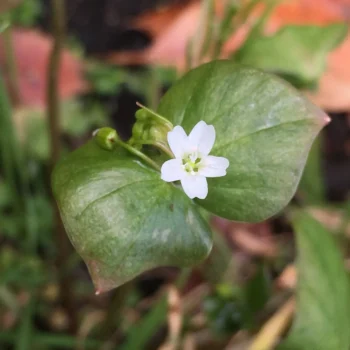
Washington Springbeauty: A Delicate Pacific Northwest Native Worth Protecting
If you’re looking for a charming early-season bloomer that’s truly native to the Pacific Northwest, meet Washington springbeauty (Claytonia washingtoniana). This delicate little forb might not be the showiest plant in your garden, but it’s got something special going for it – it’s a genuine regional native with a conservation story worth knowing.
What Makes Washington Springbeauty Special
Washington springbeauty is a herbaceous perennial that belongs to the portulaca family. As a forb, it’s one of those wonderful non-woody plants that dies back each year but returns from underground parts. Don’t let its modest size fool you – this little native packs a punch when it comes to early-season garden interest.
The plant produces small, delicate flowers that range from white to soft pink, creating a subtle carpet of color in early spring when most other plants are still sleeping. It’s the kind of plant that rewards the observant gardener who takes time to notice the smaller details in their landscape.
Where You’ll Find It Growing Wild
This springbeauty calls the Pacific Northwest home, naturally occurring in British Columbia, California, Oregon, and Washington. It’s one of those plants that truly belongs to this region – native to both Canada and the lower 48 states within its range.
- Species observed
- No observations
A Conservation Consideration
Here’s something important to know: Washington springbeauty has a global conservation status of S2S4, which means it’s considered somewhat rare and potentially vulnerable. This doesn’t mean you can’t grow it, but it does mean you should be thoughtful about how you source it. Always purchase from reputable native plant nurseries that propagate their own stock rather than wild-collecting plants.
Growing Washington Springbeauty in Your Garden
If you’re interested in adding this native beauty to your landscape, here’s what you need to know:
Ideal Growing Conditions
Based on its wetland status as Facultative Upland, Washington springbeauty typically prefers non-wetland conditions but can tolerate some moisture. This suggests it’s fairly adaptable when it comes to soil moisture, though it likely performs best in well-draining soils that don’t stay soggy.
Given its Pacific Northwest origins, it’s probably happiest in the climate conditions typical of USDA hardiness zones 6-9, though this can vary depending on your specific microclimate.
Perfect Garden Roles
Washington springbeauty shines in several garden settings:
- Native plant gardens where you’re showcasing regional flora
- Woodland gardens as an understory groundcover
- Rock gardens where its delicate form can be appreciated up close
- Spring ephemeral displays alongside other early bloomers
Wildlife and Pollinator Benefits
While specific wildlife benefits aren’t well-documented for this particular species, springbeauties as a group are known to provide early nectar sources for small pollinators like native bees and flies. Early-blooming natives like this one are particularly valuable because they offer food when few other flowers are available.
Planting and Care Tips
Since Washington springbeauty is relatively uncommon in cultivation, specific care information is limited. However, based on its native habitat and related species, here are some general guidelines:
- Plant in fall or early spring when temperatures are cool
- Choose a location with morning sun and afternoon shade
- Ensure good drainage while maintaining consistent moisture during the growing season
- Allow the plant to go dormant naturally – don’t be alarmed when it disappears after blooming
- Avoid disturbing the root system once established
Is Washington Springbeauty Right for Your Garden?
This native is perfect for gardeners who:
- Want to support regional biodiversity
- Appreciate subtle, delicate beauty over flashy displays
- Are creating a true Pacific Northwest native plant garden
- Enjoy early spring bloomers that kick off the growing season
However, it might not be the best choice if you’re looking for a bold statement plant or need something that provides consistent visual interest throughout the growing season.
The Bottom Line
Washington springbeauty offers Pacific Northwest gardeners a chance to grow something truly special – a delicate native that’s both beautiful and ecologically valuable. Just remember to source it responsibly from reputable native plant nurseries. While it may not be the easiest plant to find or grow, it’s definitely worth the effort for gardeners committed to supporting native plant communities and adding authentic regional character to their landscapes.
By choosing plants like Washington springbeauty, you’re not just creating a beautiful garden – you’re helping preserve the unique botanical heritage of the Pacific Northwest for future generations to enjoy.