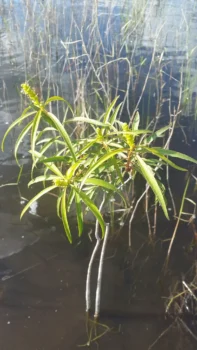
Water Toothleaf: A Rare Wetland Gem Worth Protecting
Meet water toothleaf (Stillingia aquatica), one of the Southeast’s most specialized and increasingly rare native shrubs. This little-known wetland plant might not win any beauty contests, but it plays a crucial role in our coastal ecosystems and deserves a spot in the conversation about native plant conservation.
What Makes Water Toothleaf Special?
Water toothleaf is a perennial shrub that typically grows as a multi-stemmed woody plant, usually staying under 13-16 feet tall. Like many wetland specialists, it’s perfectly adapted to life in constantly soggy conditions where most other plants would throw in the towel and rot away.
This native beauty calls the southeastern United States home, naturally occurring in Alabama, Florida, Georgia, and South Carolina. It’s particularly fond of the Atlantic and Gulf Coastal Plain regions, where it thrives in the unique conditions these areas provide.
- Species observed
- No observations
The Rarity Reality Check
Here’s where things get serious: water toothleaf carries an S1 rarity status in Alabama, meaning it’s critically rare in that state. This designation should make any gardener pause and consider the responsibility that comes with growing this plant. If you’re thinking about adding water toothleaf to your landscape, you’ll want to source it only from reputable native plant nurseries that propagate their own stock responsibly – never collect from the wild.
Growing Conditions: Not for the Faint of Heart
Water toothleaf earned its aquatica name honestly – this plant is classified as an obligate wetland species, meaning it almost always occurs in wetlands. Translation? Your typical backyard garden bed won’t cut it. This shrub needs:
- Consistently wet to saturated soils
- Full sun to partial shade conditions
- USDA hardiness zones 8-10
- Specialized wetland or bog garden conditions
Is Water Toothleaf Right for Your Garden?
Let’s be honest – water toothleaf isn’t going to work for most traditional garden settings. This is a plant for specialized situations like:
- Wetland restoration projects
- Rain gardens with permanent water features
- Bog gardens or constructed wetlands
- Native plant preserves and conservation areas
If you don’t have consistently wet conditions, you’ll be fighting an uphill battle trying to keep this plant happy. It’s not particularly showy in terms of flowers or foliage, so its main appeal lies in its ecological value rather than ornamental qualities.
The Conservation Connection
While water toothleaf might not be the star of your flower border, it serves important ecological functions in its native wetland habitats. These specialized plants help stabilize soil, filter water, and provide habitat for wetland-adapted wildlife. By growing water toothleaf (when conditions are right), you’re participating in the preservation of a unique piece of southeastern biodiversity.
The Bottom Line
Water toothleaf is definitely not a plant for everyone, and that’s okay! Its very specific growing requirements and rarity status make it a specialized choice for dedicated wetland gardeners and conservation-minded landscapers. If you have the right conditions and can source it responsibly, you’ll be helping preserve a rare piece of our native plant heritage.
For most gardeners looking to support native ecosystems, there are plenty of other southeastern natives that are easier to grow and more readily available. But for those special few with the right wetland conditions and conservation spirit, water toothleaf offers a chance to grow something truly unique and ecologically valuable.