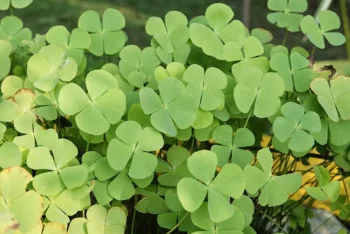
Waterclover: The Four-Leaf Clover That’s Actually a Fern
If you’ve ever spotted what looks like a four-leaf clover floating on a pond’s surface and wondered if you’ve stumbled upon good luck, you might have actually discovered waterclover (Marsilea) – an aquatic fern that’s masquerading as your favorite lucky charm! This fascinating plant blurs the line between land and water, creating a unique addition to aquatic gardens and natural water features.
What Exactly Is Waterclover?
Despite its clover-like appearance, waterclover is actually a perennial aquatic fern that belongs to an ancient group of plants. Unlike typical ferns with their feathery fronds, Marsilea sports distinctive four-leaflet leaves that float on water surfaces or emerge from wet soil. As a forb-type plant, it lacks significant woody tissue and maintains its herbaceous nature throughout its perennial lifecycle.
Where You’ll Find Waterclover
Waterclover has an impressively wide distribution across North America. You can find various Marsilea species growing naturally in an extensive range of locations, from Alberta and British Columbia in Canada, down through virtually every U.S. state including Alabama, Arizona, California, Florida, Texas, and many others, and even in Puerto Rico. This widespread distribution speaks to the plant’s adaptability to different climatic conditions.
- Species observed
- No observations
Native Status and Important Considerations
The native status of Marsilea varies by region. It’s considered native to Canada and Puerto Rico, while its status in Hawaii and the lower 48 states is less clearly defined. However, gardeners should be aware that in Alabama, waterclover appears on the invasive species watch list, meaning it requires careful consideration before planting.
If you’re in Alabama or other areas where it may become problematic, consider native alternatives for your water garden instead.
How to Identify Waterclover
Identifying waterclover is relatively straightforward once you know what to look for:
- Four distinctive leaflets arranged in a clover-like pattern
- Leaves that float on water surfaces or emerge from very wet soil
- Lack of flowers (remember, it’s a fern!)
- Often forms colonies in shallow water areas
- May produce spore-bearing structures called sporocarps near the base
Is Waterclover Beneficial in Gardens?
Waterclover can offer several benefits to the right type of garden:
- Adds unique texture and visual interest to water features
- Provides natural coverage for pond surfaces
- Creates habitat structure in aquatic environments
- Helps with natural water filtration
- Offers an unusual conversation piece for garden visitors
The Right Garden for Waterclover
This aquatic fern thrives in specialized garden settings:
- Water gardens and ornamental ponds
- Bog gardens with consistently wet conditions
- Natural pond margins and wetland restoration projects
- Container water gardens
While waterclover won’t attract traditional pollinators like bees and butterflies (since it doesn’t produce flowers), it can provide habitat and shelter for aquatic wildlife and insects that other creatures depend on.
Final Thoughts
Waterclover represents a fascinating example of plant evolution and adaptation. While it can be a striking addition to the right water garden, always check your local regulations and invasive species lists before introducing it to your landscape. When in doubt, consult with local native plant societies or extension offices to ensure you’re making the best choice for your specific region and garden goals.
Remember: the most successful gardens work with nature, not against it!