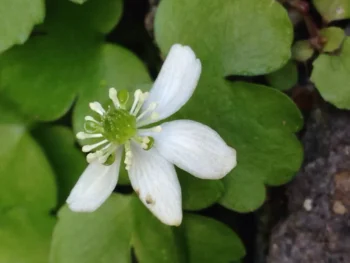
Waterfall False Buttercup: A Rare Gem for Wetland Gardens
If you’re passionate about growing truly unique native plants, you may have stumbled across the intriguingly named waterfall false buttercup. This little-known perennial, scientifically called Kumlienia hystricula, is one of California’s botanical treasures—though it’s so rare that most gardeners have never heard of it, let alone grown it.
What Makes This Plant Special?
The waterfall false buttercup isn’t your typical garden center find. This herbaceous perennial belongs to a very small genus and represents a true California endemic. You might also see it listed under its synonym, Ranunculus hystriculus, which hints at its relationship to the buttercup family. Despite its false buttercup moniker, this plant has carved out its own unique niche in California’s diverse flora.
Where Does It Call Home?
This rare beauty is found exclusively in California, making it a true Golden State native. Its distribution is quite limited, which contributes to its conservation concerns. The plant has adapted to very specific conditions within the state’s varied landscapes.
- Species observed
- No observations
A Plant That Lives for Water
Here’s where things get interesting for gardeners: the waterfall false buttercup is what botanists call an obligate wetland species. This means it almost always requires wetland conditions to thrive. Whether you’re in California’s arid regions or the mountainous areas, this plant demands consistent moisture and wetland-type growing conditions.
This water-loving nature makes it quite different from drought-tolerant California natives that many gardeners are familiar with. Instead, think of it as a specialist for:
- Bog gardens
- Pond margins
- Rain gardens with consistent moisture
- Natural wetland restoration projects
The Rarity Factor: Why You Should Care
Before you start planning your wetland garden around this species, there’s something important to know: the waterfall false buttercup has a conservation status that suggests it may be at risk. With limited populations and specific habitat requirements, this isn’t a plant to collect casually from the wild.
If you’re determined to grow this rare native, here’s what responsible gardeners should do:
- Only source plants from reputable native plant nurseries
- Ensure any plants you purchase are nursery-propagated, not wild-collected
- Consider supporting conservation efforts for this species
- Contact local native plant societies for guidance
Is This Plant Right for Your Garden?
The waterfall false buttercup isn’t for everyone, and that’s okay! This specialized native is best suited for gardeners who:
- Have or can create consistent wetland conditions
- Are passionate about rare native plant conservation
- Live within the plant’s natural California range
- Have experience with challenging or specialized plants
If you don’t have the right conditions or can’t source the plant responsibly, consider other California native wetland plants that might be easier to find and grow, such as monkey flowers (Mimulus species) or native sedges (Carex species).
The Bottom Line
The waterfall false buttercup represents something special in the world of native gardening—a plant so adapted to specific conditions that it’s become quite rare. While it may not be the right choice for most gardens, it serves as a reminder of California’s incredible botanical diversity and the importance of protecting specialized habitats.
If you’re lucky enough to have the right growing conditions and can source this plant responsibly, you’ll be participating in the conservation of one of California’s unique native species. Just remember: with rare plants comes great responsibility to grow them thoughtfully and ethically.