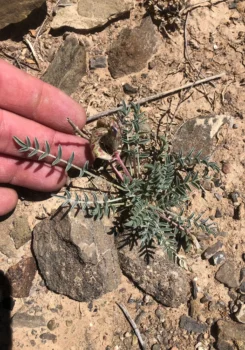
Waterfall’s Milkvetch: A Rare Southwestern Native Worth Protecting
Meet Waterfall’s milkvetch (Astragalus waterfallii), a perennial wildflower that’s as elusive as it is intriguing. This little-known native plant calls the American Southwest home, but finding reliable information about it is like searching for a needle in a haystack – and that’s exactly what makes it so special.
Where You’ll Find This Southwestern Gem
Waterfall’s milkvetch is native to the lower 48 states, specifically thriving in the desert landscapes of New Mexico and Texas. This regional native has adapted to life in some pretty challenging conditions, making it a true testament to the resilience of our native flora.
- Species observed
- No observations
The Rarity Factor: Handle with Care
Here’s where things get serious – Waterfall’s milkvetch carries a Global Conservation Status of S3?, which puts it in the rare category. This means that if you’re lucky enough to encounter this plant or find seeds, you’re looking at something truly special. We strongly recommend only planting responsibly sourced material, and better yet, consider supporting conservation efforts for this species instead of trying to grow it in your garden.
What Makes It Garden-Worthy?
As a member of the milkvetch family, this perennial likely shares some family traits that make Astragalus species interesting garden additions:
- Drought tolerance once established
- Potential nitrogen-fixing abilities that benefit soil health
- Adaptation to challenging growing conditions
- Support for native pollinators and wildlife
Growing Conditions and Care
While specific growing information for Waterfall’s milkvetch is limited due to its rarity, we can make some educated guesses based on its native habitat in New Mexico and Texas:
- Likely prefers well-draining, sandy or rocky soils
- Probably thrives in full sun conditions
- Should be drought tolerant once established
- May require minimal supplemental watering
The Bottom Line for Gardeners
While Waterfall’s milkvetch would undoubtedly be a conversation starter in any native plant garden, its rarity means it’s not readily available for home cultivation. Instead of seeking out this rare gem, consider these alternatives that offer similar benefits:
- Other Astragalus species native to your region
- Regional milkvetch varieties that are more common
- Native legumes that provide nitrogen fixation
If you’re passionate about rare native plants, consider supporting botanical gardens, seed banks, or conservation organizations working to protect species like Waterfall’s milkvetch. Sometimes the best way to grow a plant is to help preserve it in its natural habitat.
A Plant Worth Protecting
Waterfall’s milkvetch reminds us that not every native plant is meant for our backyard borders – some are meant to be cherished and protected in their wild spaces. By understanding and respecting the rarity of species like this one, we become better stewards of our native plant heritage.