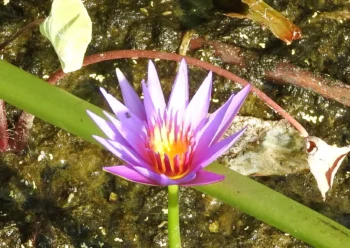
Waterlilies: Beautiful but Potentially Problematic Water Plants
Few aquatic plants capture the imagination quite like waterlilies, with their elegant floating blooms and distinctive round lily pads creating picture-perfect pond scenes. However, before you rush to add these seemingly serene beauties to your water garden, there are some important considerations every responsible gardener should know about Nymphaea species.
What Are Waterlilies?
Waterlilies (Nymphaea) are perennial aquatic forbs – essentially herbaceous plants that lack woody stems and have their growing points at or below ground level. These floating beauties are found naturally across an impressive range, growing everywhere from Alberta to Alabama, and from Alaska down to the Virgin Islands. Their widespread distribution includes virtually every U.S. state and Canadian province, plus territories like Puerto Rico.
- Species observed
- No observations
The Appeal of Waterlilies
It’s easy to see why gardeners fall for waterlilies. These aquatic showstoppers offer:
- Stunning floating flowers that often bloom in pristine whites, soft pinks, or sunny yellows
- Large, distinctive round lily pads that create natural landing platforms for frogs and dragonflies
- A classic water garden aesthetic that instantly elevates any pond or water feature
- Excellent coverage for pond surfaces, helping reduce algae by blocking sunlight
A Word of Caution: Invasive Potential
Here’s where things get complicated. While waterlilies might look innocent floating peacefully in your pond, they pack some serious invasive potential. Minnesota has classified Nymphaea as Regulated, while Missouri considers it a Nuisance species. This isn’t just bureaucratic red tape – it reflects real concerns about these plants escaping cultivation and overwhelming native aquatic ecosystems.
When waterlilies go rogue, they can quickly dominate water bodies, crowding out native plants and disrupting the delicate balance that local wildlife depends on. Their aggressive growth habit and ability to reproduce both vegetatively and by seed makes them particularly problematic escapees.
Wildlife Benefits and Drawbacks
The wildlife story with waterlilies is mixed. On the positive side, they do provide some ecological value:
- Large animals use them for 5-10% of their diet, though rarely for cover
- Water birds similarly rely on them for 5-10% of their nutrition
- Small mammals get 2-5% of their diet from waterlilies but don’t often use them for shelter
- The flowers attract certain pollinators, particularly beetles and flies
However, when non-native waterlilies dominate a water body, they can actually reduce overall biodiversity by outcompeting plants that provide greater wildlife value.
Native Status: It’s Complicated
The native status of Nymphaea varies dramatically by location. While some species are native to the U.S. Virgin Islands, others are considered non-native in Hawaii where they’ve established self-sustaining populations. The status remains undefined in many regions, reflecting the complex taxonomy and varied origins of different waterlily species.
Growing Conditions and Care
If you’re in an area where waterlilies aren’t regulated and you decide to grow them, they thrive in:
- Full sun locations (6+ hours of direct sunlight)
- Still or very slow-moving water
- Water depths of 12-24 inches for most varieties
- Rich, heavy soil or specialized aquatic planting medium
- USDA hardiness zones that vary by species, generally 3-11
Waterlilies are typically planted in containers that sit on the bottom of ponds or water features. They’re heavy feeders and benefit from regular fertilization with aquatic plant tablets.
The Bottom Line: Proceed with Caution
While waterlilies undeniably bring beauty to water gardens, their invasive potential makes them a risky choice for responsible gardeners. Before planting, check your local regulations – some areas may prohibit or restrict their cultivation entirely.
If you’re looking to create a stunning water feature without the invasive concerns, consider researching native aquatic plants in your area instead. Many regions have beautiful native water lilies, lotus species, or other aquatic plants that provide similar aesthetic appeal while supporting local ecosystems.
Remember: the most beautiful garden is one that works in harmony with nature, not against it. When it comes to waterlilies, that harmony might mean admiring them from afar rather than bringing them home.