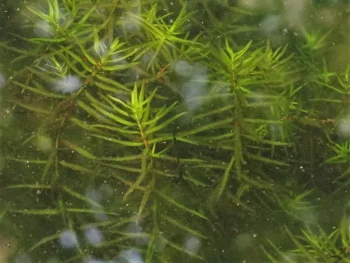
Waterpurslane: A Tiny Native Gem for Wetland Gardens
Meet waterpurslane (Didiplis diandra), one of those delightfully humble native plants that might not win any beauty contests but plays a crucial role in wetland ecosystems. This petite annual forb is like the quiet kid in class who turns out to be surprisingly talented – it may be small and unassuming, but it’s got some serious wetland gardening superpowers.
What Exactly Is Waterpurslane?
Waterpurslane is a native annual herb that belongs to the diverse world of forbs – plants that lack woody stems but pack a lot of ecological punch. Also known by its scientific name Didiplis diandra (and formerly called Peplis diandra), this little plant forms low, spreading mats with tiny opposite leaves and produces small, inconspicuous white to pinkish flowers.
Don’t let its modest appearance fool you – waterpurslane is a wetland specialist that’s been quietly doing its job across much of the United States for centuries.
Where Does Waterpurslane Call Home?
This native beauty has quite an impressive geographic range, naturally occurring across 21 states including Alabama, Arkansas, Florida, Georgia, Illinois, Indiana, Iowa, Kansas, Kentucky, Louisiana, Minnesota, Mississippi, Missouri, North Carolina, Oklahoma, South Carolina, Tennessee, Texas, Utah, Virginia, and Wisconsin. Its distribution primarily follows the southeastern and south-central regions, with a particular fondness for the coastal plains and Mississippi River valley.
- Species observed
- No observations
A Word About Rarity
Here’s something important to know: waterpurslane has a rarity status of S1S3 in Arkansas, meaning it’s quite uncommon in that state. If you’re interested in growing this plant, please make sure you source it responsibly from reputable native plant nurseries rather than collecting from wild populations. Every little bit helps when it comes to conservation!
Why Your Garden (Might) Want Waterpurslane
Let’s be honest – waterpurslane isn’t going to be the star of your garden’s Instagram feed. But if you’re creating a wetland garden, rain garden, or working on habitat restoration, this little plant is worth its weight in gold. Here’s why:
- Wetland specialist: With an Obligate Wetland status across all regions, it’s perfectly adapted to consistently wet conditions
- Low maintenance: Once established, it pretty much takes care of itself
- Self-seeding: Being an annual, it readily self-seeds to maintain its presence
- Ecosystem support: Provides habitat and potentially food sources for wetland wildlife
- Erosion control: Its mat-forming habit helps stabilize wet soils
Perfect Garden Situations for Waterpurslane
Waterpurslane thrives in specific garden situations:
- Water gardens: Perfect for pond edges and bog areas
- Rain gardens: Excellent for areas that collect and filter stormwater
- Native plant gardens: Ideal for authentic regional plantings
- Wetland restoration projects: Essential for recreating natural wetland communities
- Wildlife habitat gardens: Supports the complex web of wetland ecosystems
Growing Waterpurslane Successfully
Growing Conditions
Think swamp and you’re on the right track. Waterpurslane needs:
- Sunlight: Full sun to partial shade (6+ hours of direct sunlight preferred)
- Soil: Consistently moist to wet, even waterlogged conditions
- pH: Acidic to neutral soils (pH 5.5-7.0)
- Hardiness: USDA Zones 6-10
Planting and Care Tips
The good news? Waterpurslane is refreshingly low-fuss once you get its basic needs right:
- Timing: Start seeds in spring after the last frost
- Moisture is key: Never let it dry out – this plant lives for consistent wetness
- Let it spread: Allow it to form natural colonies through self-seeding
- Minimal fertilizing: Wetland plants typically don’t need extra nutrients
- Winter care: As an annual, it will die back in winter but should return from seed
The Reality Check
Let’s keep it real – waterpurslane isn’t for every garden or every gardener. If you’re looking for showy flowers or dramatic foliage, this isn’t your plant. It’s also quite specific about its growing conditions, so if you don’t have a consistently wet area, you’ll be fighting an uphill battle.
However, if you’re passionate about native plants, wetland conservation, or creating authentic habitat, waterpurslane is a fantastic choice that will reward you with its quiet resilience and ecological value.
The Bottom Line
Waterpurslane may be small and humble, but it’s a perfect example of how native plants can serve important ecological functions while asking for very little in return. If you have the right wet conditions and appreciate plants for their environmental benefits rather than just their looks, this little wetland warrior might just become one of your favorite garden companions.
Remember to source responsibly, especially given its rarity in some areas, and enjoy watching this unassuming native do what it does best – quietly making your wetland garden a little more authentic and ecologically valuable.