Watershield: A Native Aquatic Beauty for Your Water Garden
If you’re looking to add some unique character to your pond or water feature, watershield (Brasenia schreberi) might just be the floating foliage you’ve been searching for. This fascinating native aquatic perennial brings a touch of prehistoric charm to water gardens with its distinctive shield-shaped leaves and curious gelatinous coating.
What Makes Watershield Special
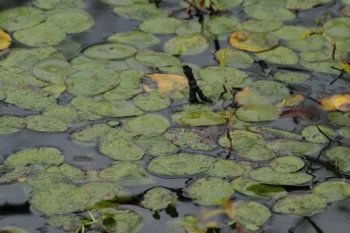
Watershield gets its common name from its distinctive oval to round floating leaves that look like tiny green shields dotting the water’s surface. But here’s where it gets interesting – flip one of those leaves over and you’ll discover a thick, slimy coating that feels like nature’s own personal lubricant. This jelly-like substance actually helps protect the plant from being eaten by aquatic creatures and gives watershield its unique tactile appeal.
During summer months, small purplish flowers emerge above the water surface, though they’re fairly inconspicuous compared to the plant’s striking foliage display.
Native Status and Where It Grows
Watershield is impressively native across North America, naturally occurring in Alaska, Canada, and throughout most of the lower 48 states. You can find this adaptable aquatic plant growing wild from the Atlantic Coast to the Pacific, and from the southern reaches of Canada down to the Gulf States.
- Species observed
- No observations
Important note for Missouri gardeners: While watershield is native to Missouri, it’s currently classified as a nuisance species by the Department of Conservation due to its vigorous growth in some water bodies. Consider this classification carefully before planting in Missouri waters.
Perfect for Water Gardens and Wetland Landscapes
Watershield thrives in still or slow-moving freshwater and makes an excellent choice for:
- Established ponds and water gardens
- Bog gardens and wetland restoration projects
- Large water features where you want natural-looking coverage
- Native plant gardens with aquatic components
This obligate wetland plant almost always occurs in wetland environments across all regions of North America, making it a reliable choice for authentic wetland landscaping.
Growing Conditions and Care
Watershield is surprisingly adaptable when it comes to growing conditions, thriving in USDA hardiness zones 4-11. Here’s what this aquatic beauty needs to flourish:
- Light: Full sun to partial shade
- Water depth: 1-8 feet of still or slow-moving freshwater
- Soil: Heavy clay or muddy pond bottom
- Temperature: Tolerates a wide range, from northern lakes to southern ponds
Planting and Care Tips
Getting watershield established in your water garden is fairly straightforward:
- Plant rhizomes in heavy clay soil within pond baskets
- Submerge baskets gradually, starting in shallow water and moving deeper as plants establish
- Maintain consistent water levels – dramatic fluctuations can stress the plants
- No fertilization needed – watershield gets nutrients from the water and pond bottom
- Thin overcrowded areas if growth becomes too dense
Wildlife Benefits
While watershield isn’t a major food source for wildlife, it does provide some benefits to your local ecosystem. Water birds use it occasionally for food (though it typically represents only 2-5% of their diet) and sparse cover. The floating leaves create surface coverage that can benefit fish and other aquatic creatures by providing shade and habitat structure.
Should You Plant Watershield?
Watershield can be a wonderful addition to the right water garden, especially if you’re creating a native aquatic landscape. Its unique appearance and native status make it valuable for authentic wetland gardens and larger ponds where its spreading nature won’t be problematic.
However, consider these factors before planting:
- It can spread vigorously in ideal conditions
- Missouri gardeners should be aware of its nuisance classification
- Best suited for larger water features rather than small decorative ponds
- Limited pollinator benefits compared to other native aquatic plants
If you have the right setup – a sizable pond or water garden where you want authentic native coverage – watershield’s distinctive appearance and low-maintenance nature make it a fascinating addition to your aquatic landscape. Just be prepared for its enthusiastic growing habit and plan accordingly!