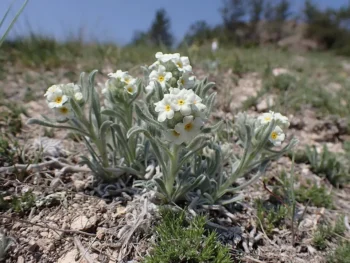
Waterton Lakes Cryptantha: A Hidden Gem for Western Native Gardens
If you’re passionate about native plants and love discovering lesser-known treasures, let me introduce you to Waterton Lakes cryptantha (Cryptantha sobolifera). This unassuming little perennial might not win any flashy flower contests, but it’s got character, resilience, and an important story to tell about conservation in our western landscapes.
What Is Waterton Lakes Cryptantha?
Waterton Lakes cryptantha is a native perennial forb that belongs to the borage family. As a forb, it’s essentially an herbaceous flowering plant – think of it as nature’s way of creating a low-maintenance, drought-tolerant groundcover that actually belongs in your region. Unlike woody shrubs or trees, this little guy stays relatively soft and herbaceous, making it perfect for filling in spaces in native plant gardens.
Where Does It Call Home?
This western native has made itself comfortable across five states: California, Idaho, Montana, Nevada, and Oregon. It’s perfectly adapted to the challenging conditions of the American West, which means it can handle what Mother Nature throws at it – and probably what you throw at it too.
- Species observed
- No observations
Should You Plant It? The Conservation Story
Here’s where things get interesting (and important). Waterton Lakes cryptantha has a Global Conservation Status of S3, which means it’s considered vulnerable. With typically only 21 to 100 occurrences and between 3,000 to 10,000 individuals in the wild, this isn’t your run-of-the-mill native plant.
The bottom line: Yes, you can and should consider planting it, but only with responsibly sourced material. This means purchasing from reputable native plant nurseries that grow their stock from seed rather than wild-collecting. By growing it in your garden, you’re actually helping preserve this species while enjoying its unique benefits.
What’s in It for Your Garden?
Waterton Lakes cryptantha brings several perks to the table:
- Pollinator magnet: Those small white flowers clustered together are perfect landing pads for native bees and other beneficial insects
- Low maintenance: Once established, it thrives on neglect – perfect for busy gardeners
- Drought tolerance: Adapted to western conditions means it can handle dry spells like a champ
- Authentic native character: Adds genuine regional character to wildflower gardens and naturalized areas
Perfect Garden Matches
This little cryptantha shines brightest in:
- Native plant gardens
- Rock gardens
- Xeriscapes (water-wise landscapes)
- Wildflower meadows
- Natural areas where you want authentic regional flora
Growing Conditions and Care
The good news? Waterton Lakes cryptantha isn’t fussy. Here’s what it needs to thrive:
Sunlight: Full sun is best – this plant loves soaking up those western rays.
Soil: Well-draining soil is absolutely crucial. Think sandy, gravelly, or rocky soils rather than heavy clay. If your soil holds water, consider amending with sand or gravel, or plant in raised areas.
Water: Once established, minimal watering is key. Overwatering is probably the fastest way to kill this drought-adapted native.
Climate: Hardy in USDA zones 4-8, making it suitable for most areas within its native range.
Planting and Care Tips
- Timing: Plant in fall or early spring when temperatures are cooler
- Spacing: Give plants room to breathe – good air circulation prevents fungal issues
- Establishment: Water regularly the first season, then back off significantly
- Maintenance: Minimal pruning needed; let it go dormant naturally in winter
- Fertilizer: Skip it – these natives prefer lean soils
The Bottom Line
Waterton Lakes cryptantha might not be the showiest plant in your garden, but it’s a meaningful addition for anyone interested in authentic native landscaping and conservation. Its vulnerability in the wild makes every garden planting a small act of preservation. Just remember to source your plants responsibly, give them the well-draining conditions they crave, and then step back and let these tough little westerners do their thing.
Plus, your local native bees will thank you for the authentic nectar source – and there’s something pretty special about growing a plant that truly belongs in your corner of the world.