Wavyleaf Ceanothus: A California Native Worth Getting to Know
If you’re looking for a drought-tolerant shrub that brings both beauty and ecological benefits to your garden, let me introduce you to wavyleaf ceanothus (Ceanothus foliosus var. foliosus). This charming California native might not be the most famous member of the ceanothus family, but it’s definitely one worth considering for the right garden.
What Makes Wavyleaf Ceanothus Special?
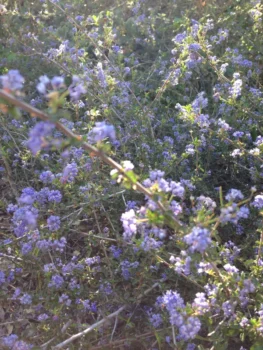
Wavyleaf ceanothus is a perennial shrub that typically grows as a multi-stemmed woody plant, usually staying under 13-16 feet tall. What sets this variety apart are its distinctive wavy-edged leaves that give the plant its common name. In spring, it produces clusters of small blue to purple flowers that create a lovely contrast against the foliage.
This plant is native to California and represents an important part of the state’s natural heritage. However, it’s worth noting that wavyleaf ceanothus has a conservation status that suggests it’s somewhat vulnerable in the wild, so if you decide to grow it, make sure you source it responsibly from reputable native plant nurseries.
Where Does It Grow Naturally?
In the wild, you’ll find wavyleaf ceanothus scattered throughout California, where it thrives in chaparral and woodland communities. It’s adapted to the state’s Mediterranean climate and has evolved to handle dry summers and mild, wet winters.
- Species observed
- No observations
Why Consider Wavyleaf Ceanothus for Your Garden?
There are several compelling reasons to give this native shrub a spot in your landscape:
- Water-wise wonder: Once established, it’s incredibly drought tolerant, making it perfect for water-conscious gardening
- Pollinator magnet: The spring blooms attract bees, butterflies, and other beneficial insects to your garden
- Low maintenance: After the first year or two, it pretty much takes care of itself
- Slope stabilizer: Its root system helps prevent erosion on hillsides
- Wildlife habitat: Provides shelter and food sources for native wildlife
What Kind of Garden Is It Right For?
Wavyleaf ceanothus shines in:
- Drought-tolerant and water-wise gardens
- Native plant landscapes
- Mediterranean-style gardens
- Hillside and slope plantings
- Wildlife and pollinator gardens
It’s particularly well-suited for USDA hardiness zones 8-10, where it can thrive without winter protection.
Growing Wavyleaf Ceanothus Successfully
The good news is that this shrub isn’t particularly fussy once you understand its basic needs:
Location and Soil: Choose a spot with full sun and well-draining soil. This plant absolutely cannot tolerate soggy conditions, so avoid areas where water tends to collect. Sandy or rocky soils are actually preferable to rich, heavy clay.
Planting: Fall is the ideal time to plant, giving the shrub time to establish its root system before the dry summer months. Dig a hole just as deep as the root ball and twice as wide.
Watering: Water regularly the first year to help establishment, but once the plant is settled (usually by the second growing season), it should need very little supplemental water in most California climates.
Pruning: Light pruning right after flowering can help maintain shape, but avoid heavy pruning as ceanothus doesn’t always respond well to severe cutting back.
A Few Important Considerations
Before you rush out to buy wavyleaf ceanothus, keep these points in mind:
- Its conservation status means you should only purchase from nurseries that propagate their own plants rather than collecting from the wild
- Like most ceanothus, it can be relatively short-lived (10-20 years) compared to some other shrubs
- It’s not suitable for high-water gardens or areas with heavy, poorly-draining soils
- It works best in regions that can provide a Mediterranean-type climate
The Bottom Line
Wavyleaf ceanothus might not be the showiest plant in the garden center, but for the right setting, it’s a fantastic choice. It offers spring beauty, supports local ecosystems, and practically grows itself once established. Just remember to source it responsibly and give it the well-draining, sunny conditions it craves. Your local pollinators – and your water bill – will thank you!