Waxyleaf Meadow-Rue: A Graceful Native for Every Garden
Meet waxyleaf meadow-rue (Thalictrum revolutum), one of North America’s most adaptable and underappreciated native perennials. This delicate-looking plant packs a surprising punch when it comes to versatility, thriving in everything from soggy rain gardens to drier woodland edges. If you’re looking for a native plant that’s both beautiful and bulletproof, this graceful forb deserves a spot on your shortlist.
What Makes Waxyleaf Meadow-Rue Special?
Don’t let the name fool you – while it’s called waxyleaf, this plant is anything but stiff or artificial looking. The common name comes from the waxy coating on the undersides of its delicate, compound leaves, which gives them a distinctive blue-green appearance. The foliage has an almost fern-like quality, creating a soft, textural backdrop in the garden that moves beautifully in the breeze.
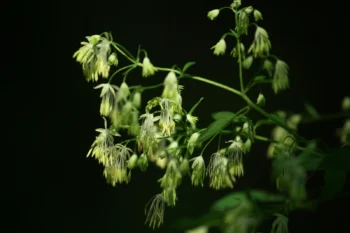
This perennial forb produces small, greenish flowers that hang in drooping clusters, adding a subtle charm rather than bold color. While the blooms might not stop traffic, they contribute to the plant’s overall graceful appearance and fit perfectly into naturalistic garden designs.
A True Native Success Story
Waxyleaf meadow-rue is a genuine North American native, naturally occurring across an impressive range that spans from southeastern Canada down through most of the United States. You can find this adaptable plant growing wild in states from Maine to Florida, and from Texas all the way up to Manitoba and Quebec.
This extensive native range includes: Alabama, Arizona, Arkansas, Colorado, Connecticut, Delaware, District of Columbia, Florida, Georgia, Illinois, Indiana, Iowa, Kentucky, Louisiana, Maryland, Massachusetts, Michigan, Minnesota, Mississippi, Missouri, Nevada, New Hampshire, New Jersey, New Mexico, New York, North Carolina, Ohio, Oklahoma, Pennsylvania, Rhode Island, South Carolina, South Dakota, Tennessee, Texas, Virginia, West Virginia, Wisconsin, along with the Canadian provinces of Manitoba, Ontario, and Quebec.
- Species observed
- No observations
Where Does It Fit in Your Garden?
One of the best things about waxyleaf meadow-rue is its flexibility. This plant doesn’t demand to be the star of the show – instead, it plays a supporting role beautifully, adding texture and movement wherever you place it. Here are some ideal spots:
- Woodland gardens: Perfect for naturalizing under trees where its delicate foliage complements shade-loving companions
- Rain gardens: Its variable wetland status makes it excellent for areas that experience seasonal flooding
- Native plant gardens: A must-have for authentic regional plantings
- Naturalized areas: Great for letting loose in wilder parts of your landscape
Growing Conditions and Care
Here’s where waxyleaf meadow-rue really shines – it’s remarkably adaptable to different growing conditions. Depending on your region, it can handle everything from wetland conditions to drier upland sites:
- Light: Partial shade to full sun (more flexible than many woodland plants)
- Soil: Moist to wet conditions preferred, but tolerates drier soils once established
- Hardiness zones: 3-8, making it suitable for most temperate regions
- Maintenance: Low – this is a plant-it-and-forget-it kind of perennial
Planting and Care Tips
Getting waxyleaf meadow-rue established in your garden is refreshingly straightforward:
- When to plant: Spring or fall work equally well
- Spacing: Give plants room to naturalize – they may self-seed in ideal conditions
- Watering: Water regularly the first year, then let nature take over
- Propagation: Divide clumps in spring or fall, or let it self-seed for a more natural look
- Pruning: Cut back in late fall or early spring, though leaving seed heads provides winter interest
Wildlife and Ecosystem Benefits
While waxyleaf meadow-rue is wind-pollinated rather than bee-pollinated, it still contributes to garden ecosystems in meaningful ways. The seeds may provide food for birds, and the foliage can serve as habitat for beneficial insects. As a native plant, it fits naturally into local food webs and supports overall biodiversity.
Should You Grow Waxyleaf Meadow-Rue?
If you’re drawn to native plants that offer subtle beauty and reliable performance, waxyleaf meadow-rue is an excellent choice. It’s particularly valuable if you have challenging wet spots in your landscape or want to create authentic regional plantings. While it won’t give you bold flowers or dramatic fall color, it provides something equally valuable – a sense of place and natural grace that’s hard to replicate with non-native alternatives.
This is a plant for gardeners who appreciate the quiet beauty of native landscapes and want to support local ecosystems while creating gardens that feel rooted in their region’s natural heritage.