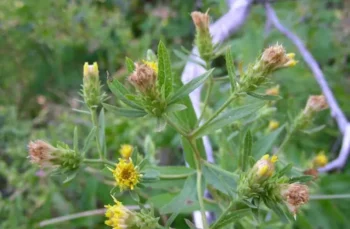
Wayside Aster: A Rare Oregon Native Worth Protecting in Your Garden
If you’re passionate about native gardening and conservation, the wayside aster (Eucephalus vialis) might just capture your heart. This charming Oregon endemic brings late-season beauty to native gardens while supporting local ecosystems. However, before you start planning where to plant it, there’s something important you need to know about this special wildflower.
A Vulnerable Beauty
Wayside aster holds a vulnerable conservation status (S3), meaning it’s at risk in the wild with only 21 to 100 known occurrences and between 3,000 to 10,000 individuals remaining. This makes it a plant worth protecting and celebrating in our gardens—but only when we source it responsibly from ethical suppliers who don’t harvest from wild populations.
Where Does Wayside Aster Call Home?
This perennial forb is a true Oregon native, found exclusively within the state’s borders. Unlike many plants that spread across multiple states, wayside aster has chosen Oregon as its sole home, making it a special treasure for Pacific Northwest gardeners.
- Species observed
- No observations
What Makes Wayside Aster Special?
Wayside aster is a herbaceous perennial that belongs to the aster family. As a forb, it lacks woody stems but compensates with delicate beauty and ecological value. The plant produces small, daisy-like flowers in white to pale purple hues that bloom in late summer and fall—a time when many other native plants are winding down for the season.
This timing makes wayside aster particularly valuable for pollinators preparing for winter. Native bees, butterflies, and other beneficial insects rely on these late-season blooms for crucial nectar sources.
Is Wayside Aster Right for Your Garden?
If you’re creating a native Oregon garden or participating in habitat restoration, wayside aster could be a wonderful addition. Here’s what makes it garden-worthy:
- Late-season pollinator support when few other flowers are available
- Low-maintenance growth habit once established
- Drought tolerance after the first growing season
- Authentic representation of Oregon’s unique flora
- Conservation value—every garden plant helps preserve the species
Growing Conditions and Care
Wayside aster thrives in USDA hardiness zones 7-9, which covers most of Oregon’s growing regions. Like many native plants, it’s remarkably adaptable once you understand its preferences:
- Sunlight: Full sun to partial shade
- Soil: Well-draining soils (avoid soggy conditions)
- Water: Drought tolerant once established, but appreciates occasional water during dry spells
- Maintenance: Low maintenance—may self-seed in favorable conditions
Planting and Establishment Tips
Success with wayside aster starts with proper establishment:
- Plant in spring after the last frost date
- Water regularly during the first growing season to help roots establish
- Mulch around plants to retain moisture and suppress weeds
- Allow plants to go to seed if you want natural spreading
- Deadhead spent flowers if you prefer a tidier appearance
The Responsible Gardening Approach
Given wayside aster’s vulnerable status, responsible sourcing is crucial. Only purchase plants or seeds from reputable native plant nurseries that propagate from cultivated stock—never from wild-collected material. Consider joining local native plant societies or conservation groups that may offer seed swaps or plant sales featuring ethically propagated specimens.
By growing wayside aster in your garden, you’re not just adding beauty to your landscape—you’re participating in conservation efforts that help ensure this unique Oregon native survives for future generations to enjoy.
The Bottom Line
Wayside aster represents the best of native gardening: a beautiful, functional plant that supports local ecosystems while requiring minimal care. Its vulnerable status makes it all the more special—and all the more important to grow responsibly. If you can source it ethically and provide the right growing conditions, this late-blooming beauty will reward you with delicate flowers and the satisfaction of helping conserve Oregon’s natural heritage.