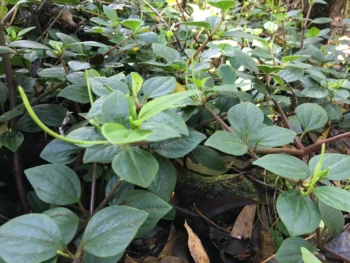
Weakstem Peperomia: A Rare Hawaiian Native Worth Growing Responsibly
If you’re looking to add authentic Hawaiian charm to your garden, the weakstem peperomia (Peperomia cookiana) might be exactly what you need. This delightful little native plant offers a unique combination of succulent-like appeal and true island heritage that’s hard to find elsewhere.
What Makes Weakstem Peperomia Special?
Don’t let the name fool you – while it’s called weakstem, this charming peperomia is actually quite resilient when grown in the right conditions. As a native Hawaiian forb, it represents the authentic flora that originally called these islands home. Its small, fleshy leaves and creeping growth habit make it a natural choice for gardeners who want to create landscapes that honor Hawaii’s botanical heritage.
Where Does It Come From?
Weakstem peperomia is endemic to Hawaii, meaning it exists naturally nowhere else on Earth. This makes it a true treasure of Hawaiian biodiversity, found across the island chain where it grows in its preferred upland habitats.
- Species observed
- No observations
Important Conservation Note
Here’s something every responsible gardener should know: weakstem peperomia has a vulnerable conservation status (S3). This means it’s at risk in the wild, with typically only 21 to 100 occurrences or between 3,000 and 10,000 individuals remaining. If you decide to grow this beauty, please source it only from reputable nurseries that propagate plants responsibly rather than collecting from wild populations.
Garden Appeal and Design Uses
This annual forb brings several appealing qualities to your garden:
- Low-growing, ground-hugging habit perfect for rock gardens
- Succulent-like foliage that adds textural interest
- Authentic Hawaiian native plant credentials
- Excellent for containers and small spaces
- Works well as living ground cover in native plant gardens
Ideal Growing Conditions
Weakstem peperomia thrives in conditions that mimic its natural Hawaiian habitat:
- Light: Partial shade to filtered sunlight – avoid harsh direct sun
- Soil: Well-draining soil is essential; this plant doesn’t like wet feet
- Moisture: Moderate watering – let soil dry slightly between waterings
- Climate: USDA zones 10-12 (tropical and subtropical regions)
- Habitat: As a facultative upland plant, it prefers non-wetland conditions but can tolerate some moisture
Planting and Care Tips
Growing weakstem peperomia successfully is all about mimicking its natural upland Hawaiian environment:
- Plant in spring when temperatures are consistently warm
- Choose a location with morning sun and afternoon shade
- Ensure excellent drainage – consider raised beds or containers if your soil retains too much moisture
- Water thoroughly but infrequently, allowing the soil to dry between waterings
- No fertilization needed – these plants are adapted to nutrient-poor volcanic soils
- Watch for signs of overwatering, which can quickly damage the plant
Wildlife and Pollinator Benefits
While weakstem peperomia may not be a major pollinator magnet due to its inconspicuous flowers, it plays an important role in Hawaii’s native ecosystem. Growing native plants like this helps support the complex web of relationships that sustain Hawaiian wildlife.
Is Weakstem Peperomia Right for Your Garden?
Consider adding weakstem peperomia to your garden if you:
- Live in a tropical or subtropical climate (zones 10-12)
- Want to grow authentic Hawaiian native plants
- Appreciate unique, low-growing ground covers
- Have well-draining soil or are willing to create it
- Can source plants from responsible nurseries
Remember, as an annual plant, weakstem peperomia will complete its life cycle in one growing season, though it may self-seed under favorable conditions.
The Bottom Line
Weakstem peperomia offers gardeners a chance to grow a truly special piece of Hawaiian natural heritage. While its vulnerable status means we must be thoughtful about how we source and grow it, this charming native plant rewards careful cultivation with authentic island beauty and the satisfaction of supporting Hawaiian biodiversity. Just remember: responsible sourcing is key to ensuring future generations can also enjoy this remarkable native treasure.