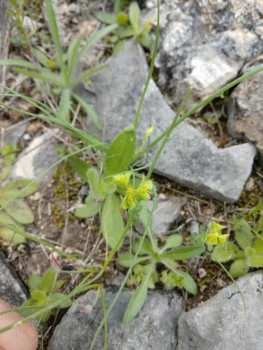
Wedgeleaf Spurge: A Rare Native Worth Preserving in Your Garden
If you’re passionate about native plants and conservation, wedgeleaf spurge (Euphorbia longicruris) might just be the understated hero your garden needs. This modest annual forb may not win any beauty contests, but it plays an important role in preserving our native plant heritage—and it desperately needs our help.
What Makes Wedgeleaf Spurge Special?
Wedgeleaf spurge is a true native of the south-central United States, calling Arkansas, Oklahoma, and Texas home. As an annual forb, it’s a herbaceous plant that completes its entire life cycle in one growing season, lacking the woody tissue that defines shrubs and trees. Instead, it puts its energy into producing seeds before winter arrives.
This spurge grows naturally across three states in the south-central region, where it has adapted to local conditions over thousands of years. However, its limited range makes it particularly vulnerable to habitat loss and environmental changes.
- Species observed
- No observations
A Plant in Need: Understanding Its Rarity
Important conservation note: In Arkansas, wedgeleaf spurge holds an S1 rarity status, meaning it’s critically imperiled in the state. This classification indicates that the species faces a very high risk of elimination due to extreme rarity, very steep declines, or other factors.
If you’re interested in growing this species, please only use responsibly sourced material from reputable native plant nurseries or seed suppliers. Never collect seeds or plants from wild populations, as this could further threaten already vulnerable communities.
Growing Wedgeleaf Spurge Successfully
While specific growing requirements for this species aren’t extensively documented, we can make educated recommendations based on its native habitat and related spurges:
- USDA Hardiness Zones: Likely zones 6-9, based on its native range
- Sunlight: Probably prefers full sun to partial shade
- Soil: Well-drained soils are typically preferred by spurges
- Water: Once established, likely drought-tolerant like many native plants
- Maintenance: As an annual, it should self-seed under favorable conditions
Where Does It Fit in Your Garden?
Wedgeleaf spurge isn’t about flashy flowers or dramatic foliage—it’s about authenticity and conservation. This plant works best in:
- Native plant gardens focused on regional species
- Prairie restoration projects
- Naturalized landscape areas
- Conservation-focused gardens
- Educational gardens showcasing rare natives
Wildlife and Pollinator Benefits
While specific wildlife benefits for wedgeleaf spurge aren’t well-documented, spurges generally support small insects and contribute to the broader ecosystem web. Every native plant, no matter how modest, plays a role in supporting local wildlife communities that have evolved alongside these species.
Should You Grow Wedgeleaf Spurge?
The answer depends on your gardening goals. If you’re passionate about:
- Preserving rare native species
- Supporting regional biodiversity
- Creating authentic native plant communities
- Contributing to conservation efforts
Then wedgeleaf spurge could be a meaningful addition to your garden. However, remember that with rarity comes responsibility. Only source this plant ethically, and consider it part of a broader commitment to native plant conservation.
The Bottom Line
Wedgeleaf spurge may not be the showstopper of your garden, but it represents something equally important: our connection to place and our role as stewards of native biodiversity. By growing rare natives like this one responsibly, we become part of the conservation story rather than just observers of it.
If you decide to grow wedgeleaf spurge, you’re not just adding a plant to your garden—you’re helping preserve a piece of our natural heritage for future generations. And that’s pretty special, even if the flowers are small.