Weed’s Mariposa Lily: A Rare California Native Worth Growing
If you’re looking to add a touch of California’s wild beauty to your garden, Weed’s mariposa lily (Calochortus weedii var. intermedius) might just be the perfect choice. This charming native perennial brings delicate spring blooms and authentic regional character to landscapes—but there are some important things to know before you plant.
What Makes This Plant Special
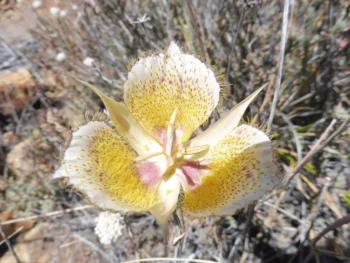
Weed’s mariposa lily is a true California original, found nowhere else in the world except the Golden State. As a herbaceous perennial, it emerges each spring from underground bulbs to produce elegant cup-shaped flowers that are typically white to pale pink with intricate markings. The blooms appear in late spring, creating a stunning display that captures the essence of California’s native flora.
Where You’ll Find It Growing Wild
This lovely lily calls California home, naturally occurring in chaparral and woodland habitats throughout the state. It’s perfectly adapted to the Mediterranean climate that defines much of California, with its wet winters and dry summers.
- Species observed
- No observations
A Conservation Consideration
Here’s something important to keep in mind: Weed’s mariposa lily has a Global Conservation Status of S3S4T2, indicating it faces some conservation challenges in the wild. This doesn’t mean you shouldn’t grow it—quite the opposite! Growing native plants like this one in our gardens can help support conservation efforts. However, it does mean you should be mindful about sourcing.
If you decide to add this beauty to your garden, make sure you purchase bulbs from reputable native plant nurseries that ethically propagate their stock rather than wild-collecting. Never dig plants from the wild, as this can harm already vulnerable populations.
Perfect Garden Settings
Weed’s mariposa lily shines in several garden styles:
- Native California gardens where it can mingle with other indigenous plants
- Mediterranean-style landscapes that mimic its natural habitat
- Rock gardens where its delicate form creates beautiful contrasts
- Drought-tolerant landscapes that celebrate water-wise gardening
Growing Conditions and Care
Like many California natives, this mariposa lily has adapted to the state’s distinctive climate patterns. Here’s what it needs to thrive:
Climate: Hardy in USDA zones 8-10, making it perfect for most of California and similar Mediterranean climates.
Sunlight: Prefers full sun to partial shade—think dappled sunlight under oak trees or morning sun with afternoon protection.
Soil: Well-draining soil is absolutely essential. These plants despise wet feet, especially during their summer dormancy period. Sandy or rocky soils work wonderfully.
Water: Once established, it’s quite drought-tolerant. Water during the growing season (fall through spring), then allow it to go completely dry during summer dormancy.
Planting and Care Tips
Success with Weed’s mariposa lily comes down to mimicking its natural growing cycle:
- Plant bulbs in fall, about 3-4 inches deep
- Choose a location with excellent drainage—consider raised beds or slopes if your soil is heavy
- Allow natural rainfall to provide moisture through winter and spring
- Most importantly: let the foliage die back naturally after blooming and keep the area dry through summer
- Avoid disturbing the bulbs during dormancy
Supporting Pollinators
Beyond its beauty, Weed’s mariposa lily serves an important ecological function by providing nectar and pollen for native bees and other pollinators. By growing this plant, you’re not just creating a beautiful garden—you’re supporting the web of native wildlife that depends on indigenous plants.
Is This Plant Right for Your Garden?
Weed’s mariposa lily is an excellent choice if you’re passionate about native plants, conservation, and creating authentic California landscapes. It’s particularly well-suited for gardeners who understand and can provide the dry summer conditions it requires.
However, it might not be the best choice if you prefer plants that provide year-round presence, as this lily disappears completely during summer dormancy. It’s also not suitable for gardens in regions outside its natural hardiness range or for gardeners who can’t resist summer watering.
When grown with care and respect for its natural needs, Weed’s mariposa lily brings both beauty and conservation value to California gardens. Just remember to source responsibly and give it the Mediterranean-style growing conditions it craves!