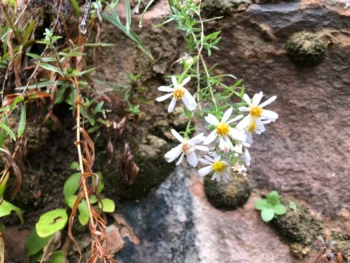
Welsh’s Aster: A Rare Utah Treasure Worth Protecting
If you’re passionate about native plants and conservation, Welsh’s aster (Symphyotrichum welshii) might just capture your heart—but it comes with some important considerations. This rare wildflower is one of Utah’s botanical treasures, and understanding its story is crucial before considering it for your garden.
What Makes Welsh’s Aster Special?
Welsh’s aster is a perennial forb that belongs to the sunflower family. Don’t let the technical term forb intimidate you—it simply means it’s a non-woody flowering plant that dies back to the ground each winter and returns the following spring. You might also see it listed under its former scientific name, Aster welshii, in older gardening references.
This native beauty produces clusters of small purple to blue flowers in late summer and fall, providing a welcome splash of color when many other plants are winding down for the season. Its compact growth habit makes it an interesting addition to specialized native plant collections.
A Plant with a Very Small Address
Here’s where Welsh’s aster gets really interesting (and important): it’s what botanists call an endemic species, meaning it naturally occurs in only one specific area. This little aster calls Utah home—specifically, it’s found only in the Uinta Basin region.
- Species observed
- No observations
This extremely limited range is part of what makes Welsh’s aster so special, but it’s also what makes it vulnerable.
The Conservation Reality Check
Before you start dreaming of Welsh’s aster in your garden, there’s something crucial you need to know: this plant has a Global Conservation Status of S2, which means it’s considered Imperiled. In plain English, there are typically only 6 to 20 known populations of this species, with perhaps 1,000 to 3,000 individual plants remaining in the wild.
What does this mean for gardeners? If you’re interested in growing Welsh’s aster, you should only obtain plants or seeds from reputable native plant nurseries that use responsibly sourced material—never collect from wild populations. Even better, consider supporting conservation efforts for this rare species.
Growing Welsh’s Aster: For the Dedicated Native Plant Enthusiast
If you can source Welsh’s aster responsibly, here’s what you need to know about keeping it happy:
Ideal Growing Conditions
- Sunlight: Full sun is essential
- Soil: Well-draining, alkaline soils (it’s adapted to Utah’s naturally alkaline conditions)
- Water: Drought-tolerant once established; avoid overwatering
- Climate: Hardy in USDA zones 4-7
Planting and Care Tips
- Plant in spring after the last frost
- Ensure excellent drainage—this is non-negotiable for success
- Water sparingly; this plant is adapted to semi-arid conditions
- Avoid fertilizing, as it’s adapted to nutrient-poor soils
- Allow it to go dormant naturally in winter
The Pollinator Connection
Like other asters, Welsh’s aster is a valuable late-season nectar source for pollinators. Its flowers attract native bees, butterflies, and other beneficial insects at a time when many other blooms have faded. This makes it particularly valuable in supporting local ecosystems.
Should You Grow Welsh’s Aster?
The honest answer? Only if you’re a serious native plant enthusiast with access to ethically sourced plants and the right growing conditions. This isn’t a plant for casual gardeners or those looking for easy-care options.
However, if you’re passionate about conservation and have experience with challenging native plants, Welsh’s aster can be a meaningful addition to a specialized Utah native garden or a conservation collection. Just remember: every plant you grow helps preserve the genetic diversity of this imperiled species.
Alternatives to Consider
If Welsh’s aster isn’t accessible or suitable for your garden, consider these more common native asters that offer similar late-season beauty:
- Aromatic aster (Symphyotrichum oblongifolium)
- New England aster (Symphyotrichum novae-angliae)
- Smooth blue aster (Symphyotrichum laeve)
Welsh’s aster reminds us that some plants are treasures worth protecting rather than simply growing. Whether you choose to cultivate this rare beauty or support its conservation in other ways, you’re participating in the important work of preserving our native plant heritage for future generations.