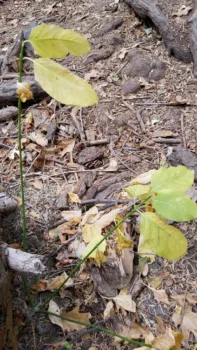
Western Burning Bush: A Rare California Native Shrub Worth Knowing
Meet the western burning bush (Euonymus occidentalis var. parishii), a fascinating native shrub that calls California home. While this plant might not be on every gardener’s radar, it represents an intriguing piece of California’s botanical heritage that deserves our attention and respect.
What Makes This Plant Special
The western burning bush is a perennial shrub that typically grows as a multi-stemmed woody plant, usually reaching less than 13 to 16 feet in height. Like other shrubs, it develops several stems from or near the ground, creating a naturally bushy appearance that can add structure and native character to appropriate landscapes.
This particular variety is native to the lower 48 states, with its distribution limited to California. The plant has several scientific synonyms, reflecting the evolving understanding of its botanical classification over time.
- Species observed
- No observations
A Word of Caution: Rarity Matters
Before we dive into growing tips, there’s something important you should know. The western burning bush has a Global Conservation Status of S5T3?, which indicates some level of conservation concern. This means that if you’re interested in adding this plant to your garden, it’s crucial to source it responsibly from reputable native plant nurseries that propagate their own stock rather than wild-collecting.
The Garden Reality Check
Here’s where we need to be honest: specific information about cultivating Euonymus occidentalis var. parishii is quite limited. This isn’t unusual for rare native varieties that haven’t entered mainstream horticulture. What we do know is that it’s a California native shrub, which suggests it’s adapted to the state’s Mediterranean climate conditions.
Why Consider This Native?
While detailed cultivation information is scarce, there are compelling reasons to appreciate and potentially grow this native:
- Supporting local biodiversity by growing plants native to your region
- Preserving genetic diversity of California’s native flora
- Creating habitat that native wildlife evolved alongside
- Reducing water needs compared to non-native alternatives
The Practical Approach
Given the limited cultivation information available, growing western burning bush successfully will require some detective work and patience. Here’s what we recommend:
- Contact local native plant societies or botanical gardens for growing advice
- Research the natural habitat where this variety is found to mimic those conditions
- Start with a small specimen from a reputable native plant nursery
- Observe how it responds to your garden conditions and adjust care accordingly
Alternative Native Options
If you’re drawn to native shrubs but want something with more established cultivation information, consider exploring other California native shrubs like toyon, ceanothus species, or manzanita varieties. These plants offer similar benefits of supporting local ecosystems while having well-documented growing requirements.
The Bottom Line
The western burning bush represents the fascinating complexity of California’s native plant diversity. While it may not be the easiest plant to grow due to limited cultivation information, it offers the reward of connecting with your local natural heritage. If you decide to grow it, approach it as a learning adventure and remember that responsibly sourced plants are the only ethical choice for rare species.
Sometimes the most rewarding garden plants are those that challenge us to become better gardeners while contributing to conservation efforts. The western burning bush might just be one of those special plants worth the extra effort.