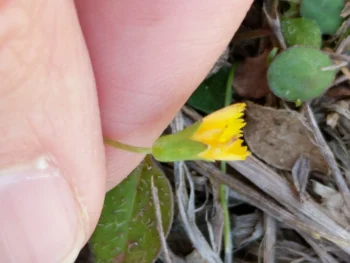
Western Dwarfdandelion: A Tiny Native Gem for Your Wildflower Garden
If you’re looking for a charming little wildflower that packs a big punch in early spring, let me introduce you to the western dwarfdandelion (Krigia occidentalis). Don’t let the dwarf in its name fool you – this petite native annual brings outsized benefits to gardens and natural landscapes across the south-central United States.
What is Western Dwarfdandelion?
Western dwarfdandelion is a small annual forb that belongs to the sunflower family. Despite its common name, it’s not actually related to the common dandelion that most gardeners know (and often try to eliminate from their lawns). This native beauty forms low rosettes of leaves and produces delicate yellow flowers that look like miniature dandelion blooms – hence the name.
As an annual plant, western dwarfdandelion completes its entire life cycle in one growing season, but it’s quite good at self-seeding when conditions are right, ensuring it returns year after year in suitable habitats.
Where Does It Grow Naturally?
This lovely little wildflower is native to seven states across the south-central United States: Arkansas, Kansas, Kentucky, Louisiana, Missouri, Oklahoma, and Texas. It’s perfectly adapted to the climate and growing conditions of this region, making it an excellent choice for gardeners who want to support local ecosystems.
- Species observed
- No observations
It’s worth noting that in Arkansas, western dwarfdandelion has a rarity status of S3, meaning it’s considered uncommon to fairly common but still of conservation concern. If you’re gardening in Arkansas, this makes it an especially valuable addition to your native plant palette.
Why Grow Western Dwarfdandelion?
There are several compelling reasons to welcome this petite wildflower into your garden:
- Early spring color: Western dwarfdandelion blooms early in the growing season, providing much-needed nectar for emerging pollinators when few other flowers are available
- Low maintenance: As a native annual, it requires minimal care once established and will often self-seed in suitable locations
- Pollinator support: The small yellow flowers attract native bees and other beneficial insects
- Authentic native character: It adds genuine regional character to wildflower gardens and prairie restorations
- Space efficient: Its compact size makes it perfect for smaller gardens or as part of mixed plantings
Ideal Growing Conditions
Western dwarfdandelion thrives in USDA hardiness zones 6-9, which perfectly matches its native range. This adaptable little plant prefers:
- Sunlight: Full sun to partial shade
- Soil: Well-drained soils; tolerates poor, sandy, or rocky conditions
- Moisture: Moderate moisture during germination and early growth, then quite drought tolerant
- pH: Adaptable to various soil pH levels
Perfect Garden Settings
Western dwarfdandelion shines in several garden and landscape situations:
- Native wildflower gardens and meadows
- Prairie restoration projects
- Rock gardens and naturalized areas
- Mixed borders as an early-season groundcover
- Pollinator gardens focused on native plants
Planting and Care Tips
Growing western dwarfdandelion is refreshingly straightforward:
From seed: Direct sow seeds in fall or early spring. The seeds need a period of cold stratification, so fall planting often works best as winter naturally provides this cold treatment.
Site preparation: Choose a location with good drainage. This plant doesn’t need rich soil – in fact, it often performs better in lean conditions that mimic its natural prairie habitat.
Ongoing care: Once established, western dwarfdandelion needs very little care. Avoid overwatering or fertilizing, as this can actually reduce flowering and make plants more susceptible to problems.
Self-seeding: Allow some flowers to go to seed if you want the plant to naturalize in your garden. The fluffy seed heads are quite attractive and will disperse naturally.
A Word About Responsible Sourcing
Given that western dwarfdandelion has conservation concerns in parts of its range, it’s important to source seeds or plants responsibly. Look for suppliers that specialize in native plants and can verify that their material was ethically collected or propagated. Never collect seeds or plants from wild populations, especially in areas where the species might be uncommon.
The Bottom Line
Western dwarfdandelion may be small, but it’s a mighty addition to native plant gardens across its range. Its early blooms provide crucial support for pollinators, its low-maintenance nature appeals to busy gardeners, and its authentic native character helps create landscapes that truly belong to their place. If you’re gardening within this plant’s native range and can source it responsibly, western dwarfdandelion deserves a spot in your wildflower collection.
Sometimes the most unassuming plants turn out to be the most rewarding – and western dwarfdandelion is a perfect example of nature’s understated elegance.