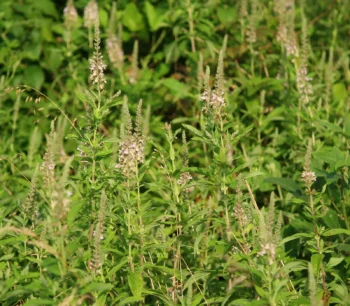
Western Germander: A Hardy Native Mint for Wildlife Gardens
If you’re looking for a low-maintenance native perennial that supports pollinators while adding subtle beauty to your landscape, western germander (Teucrium canadense var. occidentale) might just be the unsung hero your garden needs. This hardy member of the mint family brings quiet charm and ecological value to naturalistic plantings across much of North America.
What is Western Germander?
Western germander is a perennial forb—essentially a non-woody herbaceous plant that comes back year after year. Like other members of the mint family, it features distinctive square stems and produces small, delicate flowers that pollinators absolutely love. Don’t expect flashy blooms, though; this plant’s beauty lies in its understated elegance and reliable performance.
Where Does Western Germander Grow Naturally?
This adaptable native has one of the most impressive natural ranges you’ll find. Western germander grows naturally across an enormous swath of North America, from British Columbia to Quebec in Canada, and throughout most of the continental United States including Arizona, California, Colorado, Idaho, Illinois, Indiana, Iowa, Kansas, Maine, Massachusetts, Michigan, Minnesota, Missouri, Montana, Nebraska, Nevada, New Hampshire, New Jersey, New Mexico, New York, North Dakota, Ohio, Oklahoma, Oregon, Pennsylvania, South Dakota, Texas, Utah, Vermont, Virginia, Washington, West Virginia, Wisconsin, and Wyoming.
- Species observed
- No observations
A Note About Rarity
While western germander has a broad natural range, it’s worth noting that this plant has a rarity status in New Jersey, where it’s listed as Highlands Listed, SU. If you’re gardening in areas where this plant may be uncommon, please source your plants responsibly from reputable native plant nurseries rather than collecting from wild populations.
Why Grow Western Germander?
Here are the compelling reasons to consider adding western germander to your landscape:
- Pollinator magnet: The small flowers attract bees, butterflies, and other beneficial insects
- True native: Supports local ecosystems and wildlife that evolved alongside it
- Low maintenance: Once established, this perennial requires minimal care
- Adaptable: Thrives in various soil conditions and growing situations
- Long blooming: Provides nectar sources throughout its flowering period
Where to Use Western Germander in Your Landscape
Western germander shines in naturalistic garden settings where its quiet beauty can complement showier native plants. Consider using it in:
- Native plant gardens and prairie restorations
- Wildflower meadows
- Pollinator gardens
- Natural borders and edges
- Low-maintenance groundcover areas
Growing Conditions and Care
One of western germander’s best qualities is its adaptability. Based on its wide natural distribution, this plant likely thrives in USDA hardiness zones 3-8, making it suitable for most temperate regions.
While specific growing requirements for this variety aren’t extensively documented, western germander typically prefers:
- Moist to moderately dry soil conditions
- Various soil types (adaptable)
- Full sun to partial shade
- Good drainage
Planting and Care Tips
Western germander is refreshingly low-maintenance once established. Here’s how to give it the best start:
- Source responsibly: Purchase from reputable native plant nurseries
- Plant timing: Spring or fall planting works well
- Initial care: Water regularly the first growing season to establish roots
- Ongoing maintenance: Minimal care needed once established
- Division: Can likely be divided every few years to propagate
The Bottom Line
Western germander may not be the showiest plant in your garden, but it’s exactly the kind of reliable, beneficial native that forms the backbone of healthy ecosystems. Its widespread natural range speaks to its adaptability, while its value to pollinators makes it a smart choice for environmentally conscious gardeners. Just remember to source your plants responsibly, especially if you’re gardening in areas where it may be less common.
Sometimes the best garden plants are the ones that quietly do their job—supporting wildlife, requiring minimal fuss, and adding their own subtle beauty to the landscape. Western germander fits that description perfectly.