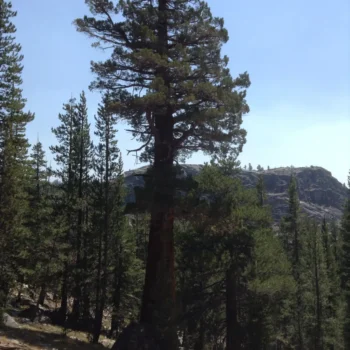
Western Juniper (Juniperus grandis): A Native Conifer for Western Gardens
If you’re looking to add some evergreen structure to your western landscape, you might want to consider the western juniper, scientifically known as Juniperus grandis. This native conifer brings year-round beauty and drought tolerance to gardens in its native range, though you’ll want to understand its specific needs before planting.
What is Western Juniper?
Western juniper goes by several names, including grand juniper and Sierra juniper, which gives you a hint about its impressive stature. As a perennial tree, this woody plant typically grows with a single trunk and can reach heights greater than 13-16 feet, making it a substantial addition to any landscape.
This species is native to the lower 48 states, specifically thriving in California and Nevada. You might also encounter it listed under its botanical synonyms, including Juniperus occidentalis var. australis, as plant taxonomy can be a bit of a moving target with junipers!
- Species observed
- No observations
Should You Plant Western Juniper in Your Garden?
As a native species, western juniper offers several compelling reasons to consider it for your landscape:
- It’s naturally adapted to local climate conditions in California and Nevada
- Native plants typically require less water and maintenance once established
- It provides year-round structure and evergreen color
- Supporting native species helps maintain local ecosystem balance
However, there are some considerations to keep in mind. This tree can grow quite large, so make sure you have adequate space for its mature size. Additionally, specific information about this particular juniper’s growth requirements and characteristics can be limited, as it may represent a regional variation of the broader western juniper complex.
Growing Conditions and Care
While specific growing information for Juniperus grandis is somewhat limited in botanical literature, as a western native juniper, it likely shares characteristics with its close relatives:
- Prefers well-draining soils
- Tolerates drought conditions once established
- Adapted to the climate zones of California and Nevada
- Likely prefers full sun exposure
Landscape Role and Design Ideas
Western junipers can serve multiple roles in landscape design:
- Specimen tree for focal points
- Windbreak or privacy screen when planted in groups
- Backbone plant in native plant gardens
- Drought-tolerant landscaping centerpiece
A Note on Plant Information
It’s worth noting that detailed, specific information about Juniperus grandis can be challenging to find, as this name may represent a taxonomic variation within the broader western juniper group. If you’re planning to add this tree to your garden, consider consulting with local native plant societies or extension offices in California or Nevada for the most current information about availability and specific growing recommendations for your area.
The Bottom Line
Western juniper can be a wonderful addition to landscapes within its native range, offering the benefits of a climate-adapted, evergreen tree. While specific care information may be limited, its native status makes it a responsible choice for gardeners looking to support local ecosystems. Just make sure you have the space for this potentially large tree and can provide the well-draining conditions that most junipers prefer.
Before purchasing, try to source your western juniper from reputable native plant nurseries that can provide guidance specific to your local growing conditions and confirm the exact variety you’re getting.