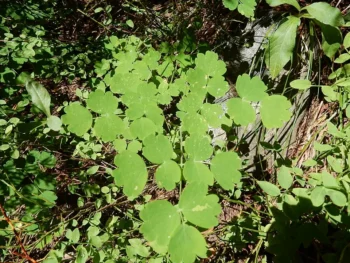
Western Meadow-Rue: A Delicate Native Beauty for Your Shade Garden
If you’re looking for a native plant that brings an ethereal, almost fairy-like quality to your garden, western meadow-rue (Thalictrum occidentale) might just be your new favorite discovery. This graceful perennial forb offers delicate beauty and ecological value, making it a wonderful addition to naturalized landscapes and woodland gardens across much of western North America.
What Makes Western Meadow-Rue Special?
Western meadow-rue is a true native treasure, naturally occurring across an impressive range that includes Alaska, much of western Canada, and numerous western U.S. states. You’ll find this charming perennial growing wild from the coastal regions of California and Oregon all the way north to Alaska, and eastward through the Rocky Mountains into states like Colorado, Wyoming, and Montana.
- Species observed
- No observations
As a herbaceous perennial forb, western meadow-rue lacks the woody stems of shrubs and trees, instead producing soft, compound leaves that create an airy, delicate texture in the garden. The plant produces clusters of small, understated flowers that range from greenish to purplish tones, adding subtle color while attracting beneficial pollinators.
Why Garden with Western Meadow-Rue?
There are several compelling reasons to consider adding this native beauty to your landscape:
- Native plant benefits: Supporting local ecosystems and wildlife by choosing plants that evolved in your region
- Pollinator support: The small flowers attract various beneficial insects including flies and small native bees
- Unique texture: The fine, delicate foliage provides excellent contrast to broader-leaved plants
- Low maintenance: Once established, this native requires minimal care
- Adaptability: Tolerates a range of growing conditions within its preferred habitat
Perfect Garden Settings
Western meadow-rue shines in several garden styles and situations:
- Woodland and shade gardens where its delicate texture can be appreciated
- Native plant gardens focused on regional flora
- Naturalized landscapes and restoration projects
- Areas where you want soft, textural contrast to bolder plants
Growing Western Meadow-Rue Successfully
Light and Location
This native performs best in partial shade to full shade conditions. While it can tolerate some morning sun, it generally prefers the dappled light found under trees or on the north side of buildings.
Soil and Water Preferences
Western meadow-rue is classified as facultative upland, meaning it typically grows in non-wetland areas but can occasionally tolerate wetter conditions. It prefers moist to moderately dry, well-draining soils and benefits from the addition of organic matter like compost or leaf mold.
Climate Considerations
This hardy native can typically be grown in USDA zones 3-8, though specific hardiness may vary depending on your location within its natural range. It’s naturally adapted to the climate conditions of western North America, making it an excellent choice for gardeners in these regions.
Planting and Care Tips
- Timing: Plant in spring or fall when temperatures are moderate
- Spacing: Allow adequate space for the plant to develop its natural form
- Soil preparation: Incorporate organic matter to improve soil structure and moisture retention
- Watering: Provide regular water during establishment, then reduce as the plant becomes established
- Maintenance: Very low maintenance once established; may go dormant during hot summer periods
- Propagation: Can be grown from seed, though patience is required as native plants often take time to establish
A Note on Seasonal Behavior
Don’t be surprised if your western meadow-rue seems to disappear during the hottest part of summer – this is normal behavior for many native perennials. The plant may go dormant to conserve energy during stressful conditions, then return when cooler, moister conditions arrive.
The Bottom Line
Western meadow-rue offers gardeners a chance to grow a truly native plant that provides both aesthetic appeal and ecological benefits. Its delicate beauty, pollinator support, and low-maintenance nature make it an excellent choice for gardeners looking to create more sustainable, wildlife-friendly landscapes. While it may not be the showiest plant in your garden, its subtle charm and native credentials make it a valuable addition to any naturalized planting or shade garden in its native range.
By choosing native plants like western meadow-rue, you’re not just creating a beautiful garden – you’re participating in the important work of supporting local ecosystems and preserving the natural heritage of your region.