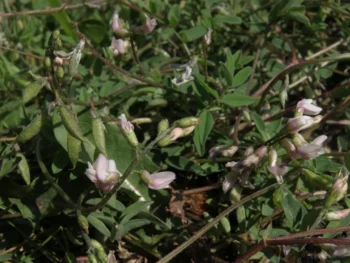
Western Milkvetch: A Rare Nevada Native Worth Protecting
If you’re passionate about native plants and conservation gardening, you might have stumbled across the intriguing western milkvetch (Astragalus robbinsii var. occidentalis). This perennial wildflower represents something special in the world of native gardening – a plant that connects us directly to the unique ecosystems of the American West.
What Makes Western Milkvetch Special?
Western milkvetch belongs to the legume family, and like its relatives, it has the remarkable ability to fix nitrogen in the soil. This perennial plant is native to the lower 48 states, though its current distribution is quite limited. You might also see it listed under its synonym, Astragalus occidentalis, in older botanical references.
Where Does It Grow?
Currently, western milkvetch is found growing wild in Nevada, where it has adapted to the region’s unique climate and soil conditions. This limited geographic distribution makes it a true regional treasure.
- Species observed
- No observations
A Word of Caution: Rarity Matters
Before we dive into growing tips, there’s something important you should know. Western milkvetch has a Global Conservation Status of S5T2T3, which indicates it’s considered rare or uncommon. This means if you’re interested in growing this plant, you should only obtain seeds or plants from responsible, ethical sources that don’t harvest from wild populations.
Supporting conservation-minded nurseries and seed companies helps protect wild populations while still allowing gardeners to enjoy and preserve these special plants.
Why Grow Western Milkvetch?
You might wonder why you’d want to grow such a specialized plant. Here are some compelling reasons:
- Conservation value: Growing rare natives helps preserve genetic diversity
- Soil improvement: Like other legumes, it enriches soil naturally
- Regional authenticity: Perfect for creating landscapes that reflect local ecosystems
- Educational value: Great conversation starter about native plant conservation
Growing Conditions and Care
While specific growing information for this variety is limited, we can draw from knowledge of related Astragalus species and Nevada’s growing conditions:
Western milkvetch likely thrives in well-draining soils and can handle the temperature extremes typical of Nevada’s climate. Most milkvetches prefer full sun and are quite drought-tolerant once established, making them excellent candidates for water-wise gardening.
As a perennial, western milkvetch will return year after year, gradually developing a deeper root system that helps it survive harsh conditions. The plant’s nitrogen-fixing abilities make it a valuable addition to native plant gardens where soil improvement is a goal.
Garden Design Ideas
Western milkvetch works beautifully in:
- Native plant gardens focused on Nevada flora
- Xeriscapes and drought-tolerant landscapes
- Conservation gardens
- Educational demonstration gardens
The Bottom Line
Western milkvetch isn’t your typical garden center find, and that’s exactly what makes it special. If you’re drawn to rare native plants and committed to conservation gardening, this Nevada native could be a meaningful addition to your landscape. Just remember to source it responsibly and appreciate the role you’re playing in preserving America’s botanical heritage.
While we don’t have complete information about all aspects of growing this particular variety, its rarity makes it a plant worth learning about and, when possible, worth growing with care and respect for its conservation status.