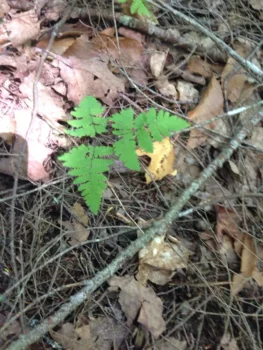
Western Oakfern: A Delicate Native Beauty for Your Shade Garden
If you’re looking for a charming, low-maintenance groundcover that brings woodland magic to your garden, let me introduce you to the western oakfern (Gymnocarpium dryopteris). This delightful little fern might just become your new favorite shade garden companion – and trust me, once you see those distinctive triangular fronds dancing in a gentle breeze, you’ll understand why gardeners across North America are smitten with this native beauty.
What Makes Western Oakfern Special?
Western oakfern is a perennial fern that’s native across an impressively wide range, from Alaska and Canada down through much of the United States, including Greenland and even St. Pierre and Miquelon. You’ll find this adaptable plant thriving in locations as diverse as Alberta, British Columbia, Alaska, and states throughout the American West, Midwest, and Northeast – from Arizona to Maine and everywhere in between.
- Species observed
- No observations
What sets this fern apart from its cousins is its distinctive three-part frond structure. Each delicate, triangular frond is divided into three main sections, giving it an almost ethereal, lacy appearance that’s absolutely captivating in woodland settings.
Identifying Western Oakfern
Here’s how to spot western oakfern in the wild or garden center:
- Triangular fronds that are broadly three-parted
- Bright green color that turns golden-yellow in fall
- Delicate, finely divided leaflets
- Low-growing habit, typically reaching 6-12 inches tall
- Spreads by underground rhizomes to form colonies
Why Your Garden Will Love Western Oakfern
This native charmer brings several benefits to your landscape. As a groundcover, it’s perfect for naturalizing those tricky shaded areas where grass struggles to grow. It’s particularly at home in woodland gardens, rock gardens, and any spot where you want to create that deep forest feeling.
Western oakfern is wonderfully low-maintenance once established. It prefers the cool, moist conditions found in partial to full shade, making it ideal for those challenging spots under trees or on the north side of buildings. The plant thrives in USDA hardiness zones 2-7, so it’s tough enough to handle cold winters while still looking delicate and graceful.
Growing Conditions and Care
Here’s what western oakfern needs to thrive in your garden:
- Light: Partial to full shade
- Soil: Moist, well-drained, acidic soil rich in organic matter
- Water: Consistent moisture, but not waterlogged
- Climate: Cool, humid conditions preferred
The plant’s wetland status varies by region – it can handle some moisture variation, from facultative upland to obligate upland depending on your location, making it quite adaptable to different moisture conditions.
A Word About Rarity
Before you rush out to dig up western oakfern from the wild, know that in some areas like New Jersey, it has a rarity status of S1 (Highlands Listed), meaning it’s quite uncommon in that region. If you’re interested in adding this beauty to your garden, please source it responsibly from reputable native plant nurseries rather than wild-collecting.
The Bottom Line
Western oakfern is a fantastic choice for gardeners wanting to add native elegance to shaded spaces. While it may not attract pollinators like flowering plants do (being a fern, it reproduces by spores rather than flowers), it contributes to the overall ecosystem health of your garden and provides that authentic woodland atmosphere that’s increasingly rare in our developed landscapes.
Whether you’re creating a naturalized woodland garden or just need something lovely for that shady corner, western oakfern delivers beauty, authenticity, and that satisfying feeling of growing something that truly belongs in your local ecosystem.