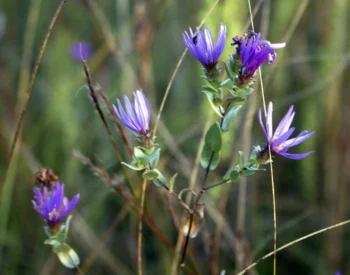
Western Silver Aster: A Late-Blooming Prairie Gem for Your Native Garden
If you’re looking for a native wildflower that delivers late-season beauty when most other plants are calling it quits, meet the western silver aster (Symphyotrichum sericeum). This hardy prairie perennial might not be the flashiest flower in the garden, but what it lacks in showiness, it more than makes up for in reliability and ecological value.
What Makes Western Silver Aster Special?
Western silver aster is a true North American native, naturally found across the Great Plains and upper Midwest. From the prairie provinces of Canada down to Texas and New Mexico, this tough little wildflower has been painting the autumn landscape with delicate blooms for thousands of years. You’ll find it growing wild in states including Illinois, Kansas, Minnesota, Nebraska, and many others throughout the central United States.
- Species observed
- No observations
The plant gets its silver moniker from its distinctive silvery-gray foliage that catches the light beautifully, especially when backlit by morning or evening sun. Come late summer and fall, it produces clusters of small, daisy-like flowers in white to pale lavender that create a soft, cloud-like effect in the landscape.
A Word About Rarity
Here’s something important to know: western silver aster is considered rare in Arkansas, where it holds an S2 rarity status. If you’re planning to add this beauty to your garden, please make sure you source it responsibly from reputable native plant nurseries rather than collecting from wild populations. This helps protect the remaining natural stands while still allowing you to enjoy this special plant in your landscape.
Why Your Garden (and Local Wildlife) Will Love It
Western silver aster is like that reliable friend who shows up when you need them most. When most flowers have finished their show for the year, this aster is just getting started, providing crucial late-season nectar for:
- Native bees preparing for winter
- Migrating butterflies, including monarchs
- Other beneficial insects
- Birds that feed on the seeds later in the season
This makes it an invaluable addition to any pollinator garden or prairie restoration project.
Perfect for Prairie-Style Gardens
Western silver aster shines in naturalized landscapes and prairie-style gardens. It’s not really a formal flower bed kind of plant – think more meadow magic than manicured border. It works beautifully when mass-planted in drifts or mixed with other prairie natives like:
- Purple coneflower
- Black-eyed Susan
- Little bluestem grass
- Wild bergamot
Growing Western Silver Aster Successfully
The good news? This plant is refreshingly low-maintenance once you understand its prairie roots. Here’s how to keep it happy:
Location and Light: Give it full sun – at least 6 hours of direct sunlight daily. It won’t be happy in shade and may become leggy if it doesn’t get enough light.
Soil Requirements: Well-drained soil is essential. Western silver aster actually prefers lean, average soils over rich garden loam. It’s quite tolerant of poor soils and clay, as long as drainage is good.
Watering: Once established, this drought-tolerant native rarely needs supplemental watering. In fact, too much water can lead to problems. Water regularly the first year to help establish roots, then let nature take over.
Hardiness: Hardy in USDA zones 3-8, so it can handle both bitter winters and hot summers like a champ.
Planting and Care Tips
Plant western silver aster in spring or fall. If you’re starting from seed, many gardeners find that fall sowing works well, allowing the seeds to experience natural cold stratification over winter.
This perennial forb (that’s botanist-speak for a non-woody flowering plant) will slowly spread to form colonies over time, though it’s not aggressive. You can divide clumps every few years if you want to propagate more plants or control spread.
For maintenance, simply cut the plant back to about 4-6 inches in late winter or early spring before new growth begins. If you want to collect seeds or provide winter interest, you can leave the spent flower heads through winter and clean up in spring.
The Bottom Line
Western silver aster might not be the garden diva that demands center stage, but it’s exactly the kind of steady, reliable native that forms the backbone of a successful wildlife garden. Its late-season blooms, drought tolerance, and low-maintenance nature make it perfect for gardeners who want maximum ecological impact with minimal fuss. Just remember to source it responsibly, especially if you’re in areas where it’s rare, and you’ll have a beautiful prairie gem that both you and local wildlife will treasure for years to come.