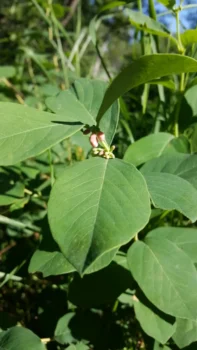
Western Snowberry: A Hardy Native Shrub That’s Tougher Than It Looks
If you’re looking for a native shrub that can handle whatever Mother Nature throws at it while still looking pretty darn good, let me introduce you to western snowberry (Symphoricarpos occidentalis). This unassuming perennial shrub might not win any flashy flower contests, but it’s got staying power that’ll make you wonder why you ever bothered with those high-maintenance garden divas.
What Exactly Is Western Snowberry?
Western snowberry is a multi-stemmed woody shrub that typically grows 3 feet tall and wide, though it can occasionally reach up to 5 feet under ideal conditions. As a perennial, it comes back year after year, slowly spreading to form dense thickets through underground runners. Don’t worry – it’s not aggressive like some spreading plants, with a moderate growth rate that won’t have it taking over your entire yard overnight.
This native beauty is truly North American through and through, naturally occurring across a massive range that includes much of Canada (Alberta, British Columbia, Manitoba, Ontario, Quebec, Saskatchewan, and the Northwest Territories) and stretching down through numerous U.S. states from the Pacific Northwest to the Great Plains and even into parts of the Northeast and Mid-Atlantic regions.
- Species observed
- No observations
Why Your Garden (and Local Wildlife) Will Love It
Western snowberry earns its keep in several ways. In late spring, it produces small white flowers that, while not particularly showy, provide valuable nectar for native bees and other small pollinators. But the real star of the show comes later – those distinctive white berries that give the plant its name. These conspicuous fruits appear in summer and persist well into fall and winter, creating visual interest when many other plants have called it quits for the season.
The dense, medium-textured green foliage provides excellent screening during the growing season, making it perfect for naturalized borders or privacy screens. While it’s not going to win any most beautiful shrub awards, western snowberry has a reliable, honest appeal that grows on you.
Perfect Spots for Western Snowberry
This adaptable shrub shines in several garden settings:
- Prairie and naturalized gardens where it can spread and form colonies
- Wildlife habitat gardens (those berries are popular with birds)
- Erosion control on slopes – those spreading roots help stabilize soil
- Low-maintenance landscapes where you want something reliable
- Understory planting beneath taller trees
Western snowberry is particularly valuable in challenging spots where other plants might struggle. It’s incredibly drought tolerant once established and can handle both wetland and upland conditions depending on your region.
Growing Conditions That Make It Happy
Here’s where western snowberry really shows its tough-as-nails personality. This shrub is remarkably adaptable and can handle:
- Climate: USDA hardiness zones 2-7 (it can survive temperatures down to -36°F!)
- Soil: Medium-textured soils work best, with pH ranging from 6.6 to 8.0
- Moisture: Low to moderate water needs; very drought tolerant
- Light: Intermediate shade tolerance, but grows well in full sun too
- Special conditions: High fire tolerance and can handle calcium carbonate-rich soils
The wetland status varies by region – in some areas like the Great Plains and Midwest, it prefers upland sites, while in other regions like the Arid West, it’s happy in both wet and dry conditions.
Planting and Care Tips
Western snowberry is refreshingly low-maintenance, but here are some tips to get the best results:
Planting: You can start with bare root plants, container plants, cuttings, or seeds. If growing from seed, you’ll need to cold stratify them first (they need that winter chill to germinate). Plant in spring after the last frost, spacing them 4-9 feet apart depending on how quickly you want coverage.
Establishment: Water regularly the first year while roots establish, then back off – this plant prefers the tough love approach to watering.
Maintenance: Minimal pruning needed, though you can trim it back in late winter if you want to control its spread or maintain a tidier shape. The plant will resprout readily if cut back.
Fertilizing: Medium fertility requirements mean you probably don’t need to fuss with fertilizers, especially if you have decent soil.
The Bottom Line
Western snowberry might not be the showiest plant in your garden, but it’s definitely one of the most dependable. If you’re looking for a native shrub that can handle drought, cold, and neglect while still providing habitat value and year-round interest, this tough little character deserves a spot in your landscape. Plus, there’s something satisfying about growing a plant that’s been thriving in North American landscapes for centuries – it’s like having a piece of the prairie right in your backyard.
Just remember: this is a plant that likes to spread and form colonies over time. Give it room to do its thing, or be prepared to manage its enthusiastic growth. Either way, you’ll have a reliable, wildlife-friendly native that’ll be there for the long haul.